Industrial Culture Study Tour at a Century‑Old Textile Mill
Introduction:
Student reporters from Zhaijiao Middle School visited the Tianhong Daming 1921 Creative Park, crossing a century of history to explore the inheritance and innovation of Changzhou’s industrial culture.
Notes:
This English version has been adapted for accessibility to English-speaking readers, with minor adjustments made for clarity. All images and captions are sourced from the original publication, with copyrights retained by their original creators, included to honor the spirit and details of the initial work. The original article in Chinese is available for viewing here.
Changzhou Young Journalists Association
Date Published: January 17, 2026
A Journey Across Time
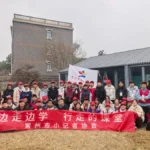
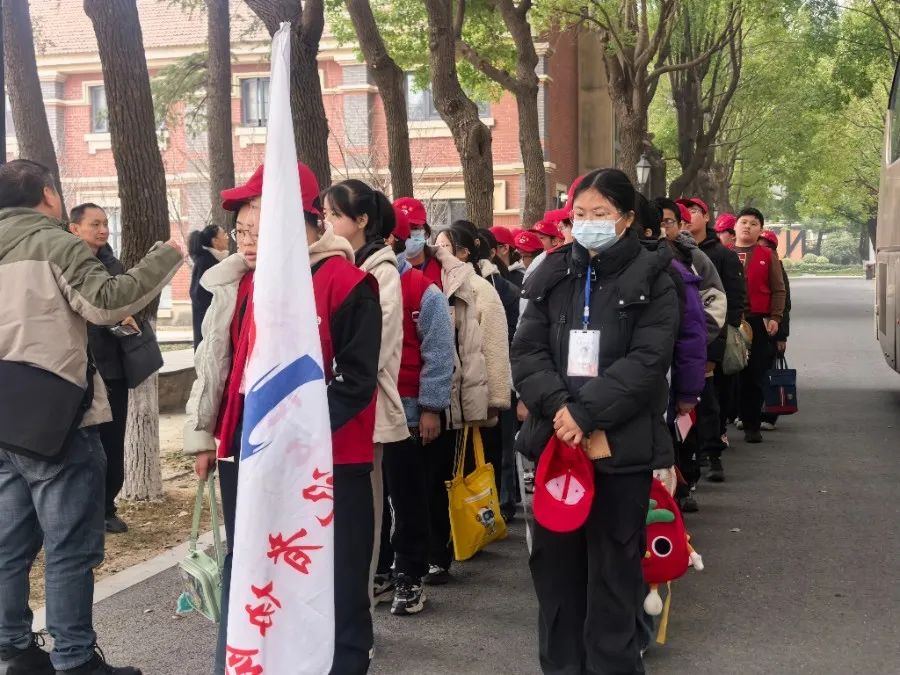
On the morning of January 17, fifty student reporters from the Changzhou Daily Young Journalists Program stepped into the Tianhong Daming 1921 Creative Park, beginning a study tour that bridged past and present.
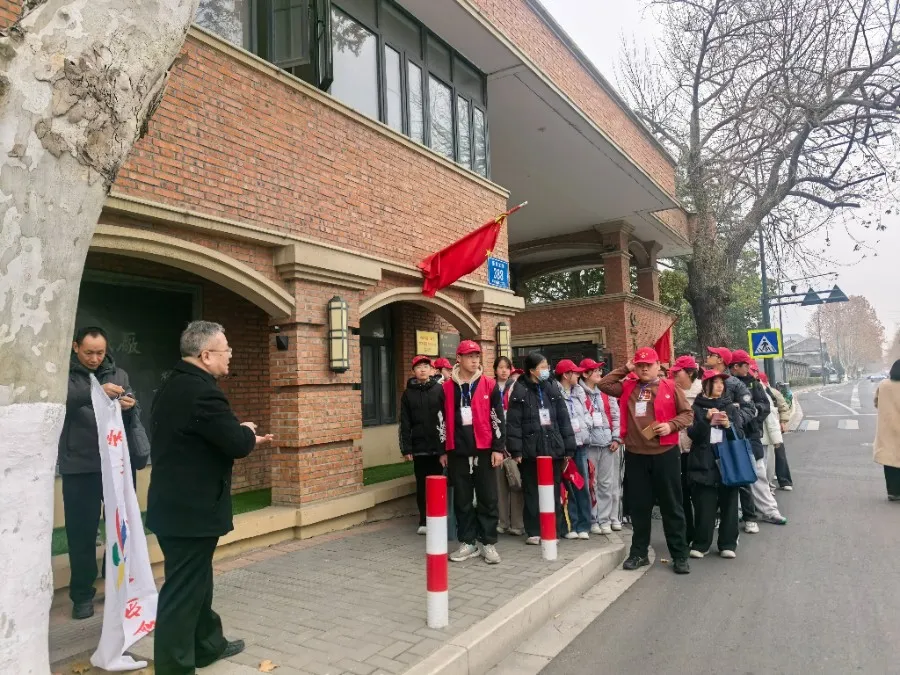
From the banks of the Grand Canal to clusters of Republic‑era buildings, from historical exhibition halls to modern smart workshops, the young reporters captured impressions with their cameras and recorded stories with their pens.
The History and Transformation of Tianhong Daming 1921 Creative Park
The park was originally the renowned Daming Textile Mill, founded in 1921, a landmark of modern national industry.
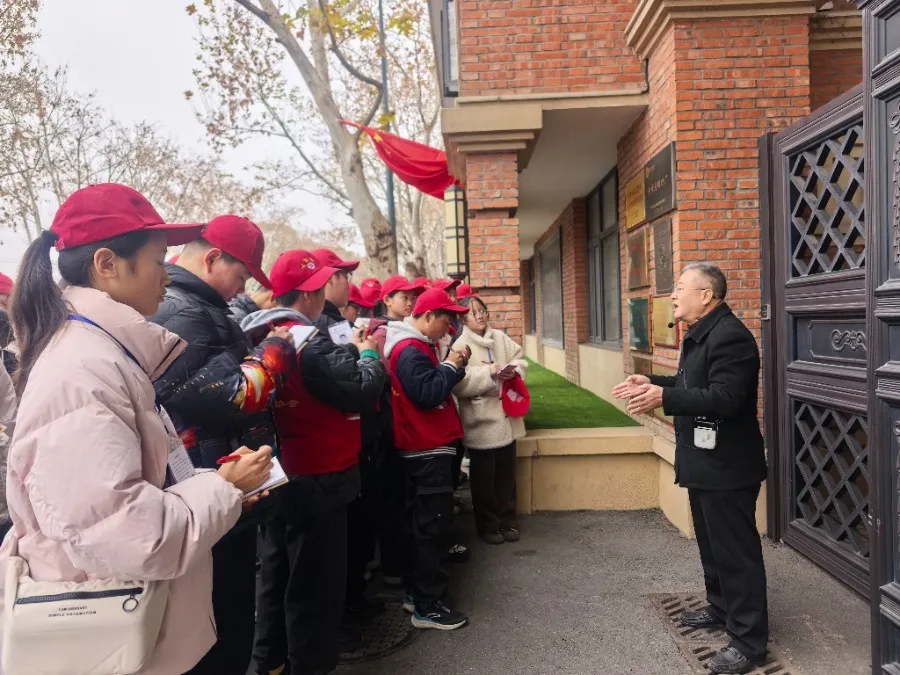
Preserved relics include old factory buildings, textile machinery, and the iconic torch‑shaped water tower, all bearing witness to Changzhou’s textile heritage.
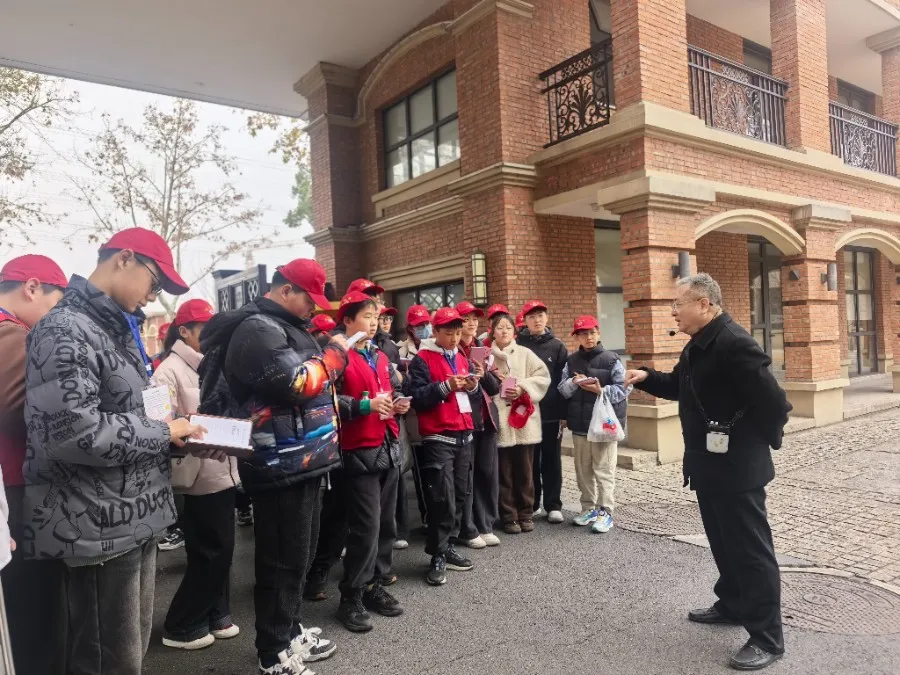
In 2016, the site was transformed under the model of “industrial heritage and cultural creativity,” integrating history, art, leisure, and tourism.
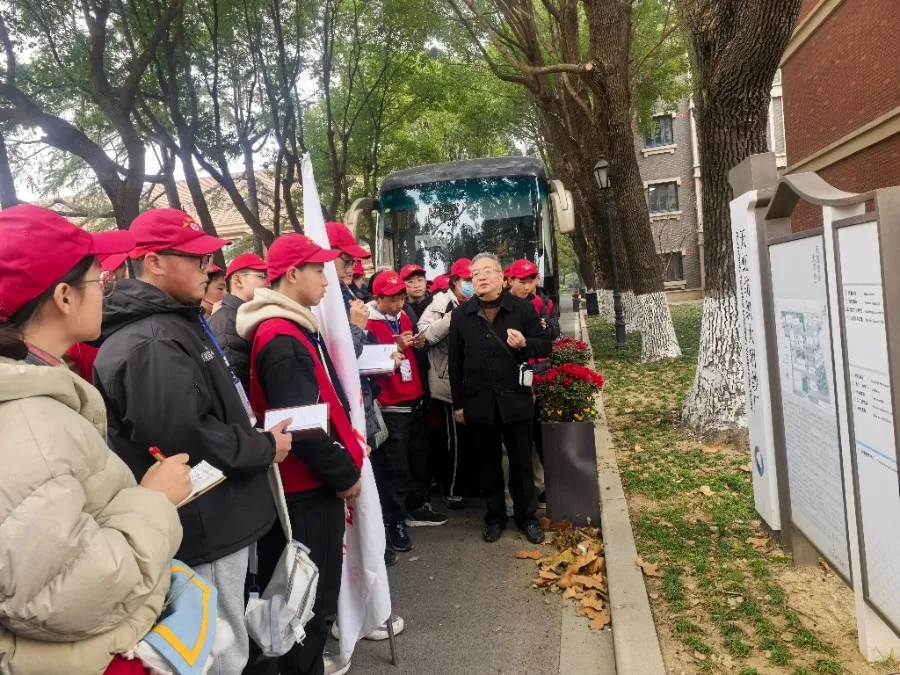
Today, it stands as a model of “industry‑city integration” in Changzhou Economic Development Zone and has been designated a Jiangsu Provincial Industrial Tourism Demonstration Area.
Highlights of the Study Tour
Project leader Mr. Shen Qiaoqing guided the students along the riverside path of the Grand Canal Park, where they admired a centennial inscription by artist Liu Haisu.
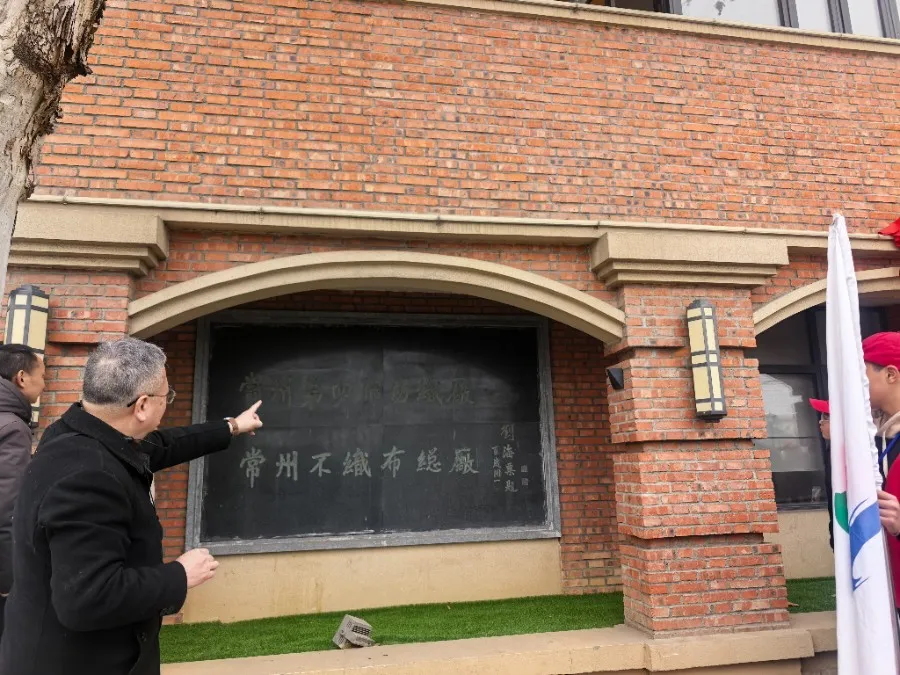
Shen explained the canal’s deep ties to industry, quoting the local saying: “Cotton enters through the west gate, yarn exits through the east gate.”
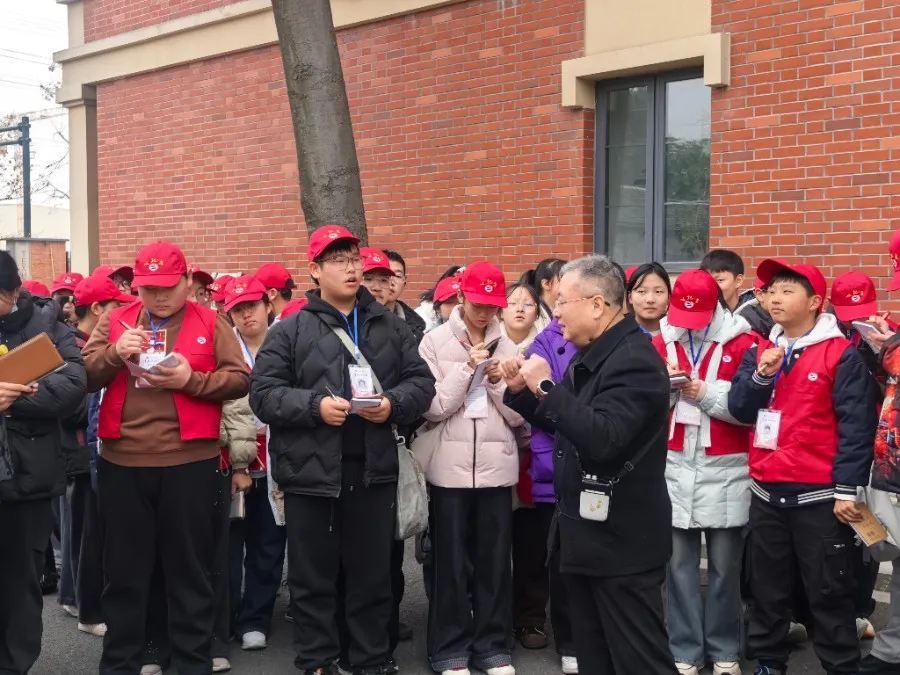
At the Zhiqing Building, the traces of time evoked stories of youth, sweat, and wisdom, prompting reflection among the students.
Industrial History and Patriotic Spirit
Beneath a century‑old ginkgo tree planted by entrepreneur Liu Guojun, students listened to tales of patriotic industrialists and their pioneering spirit.
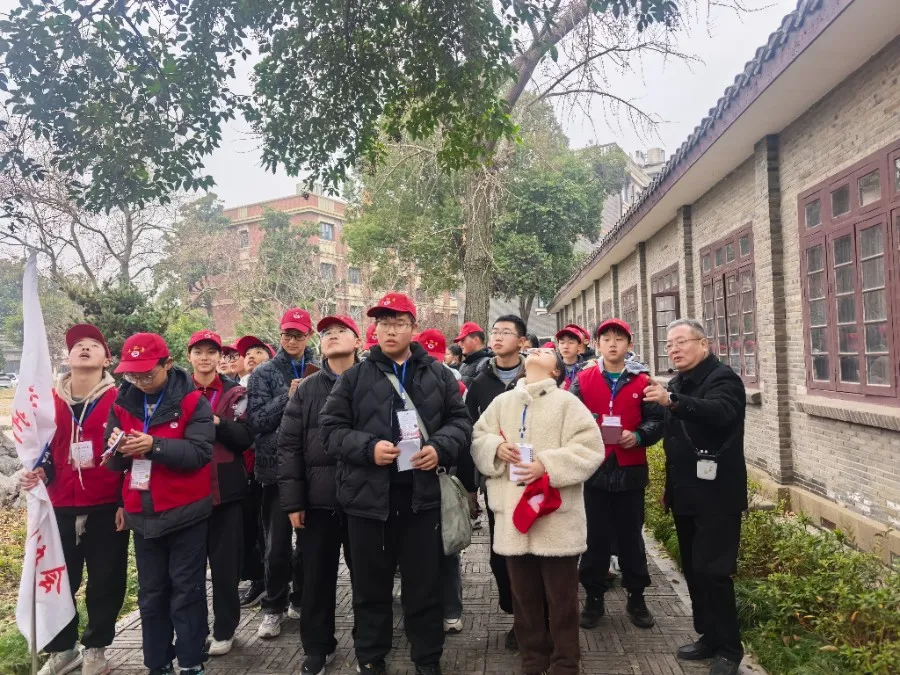
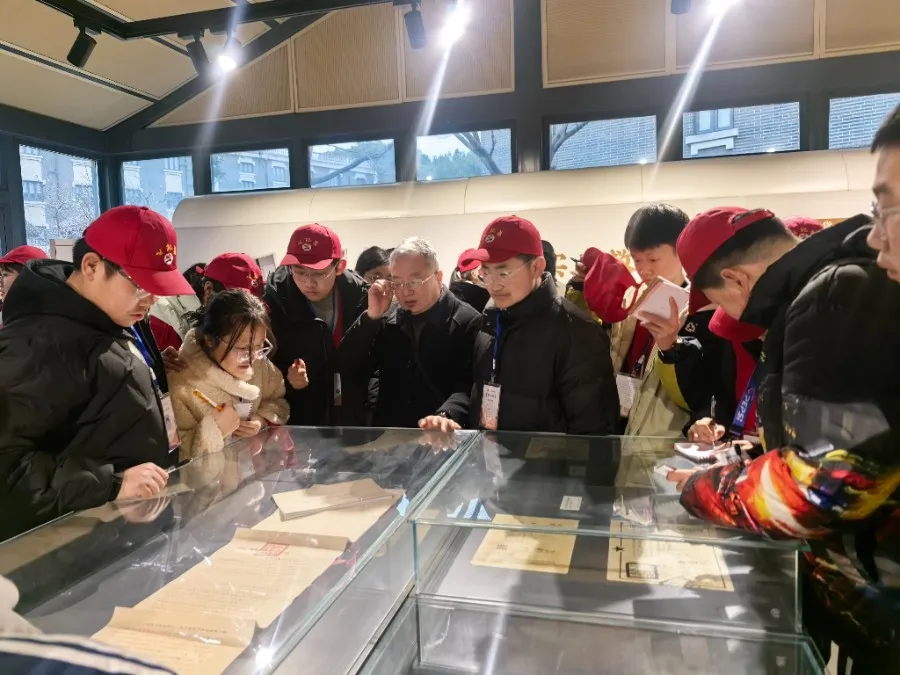
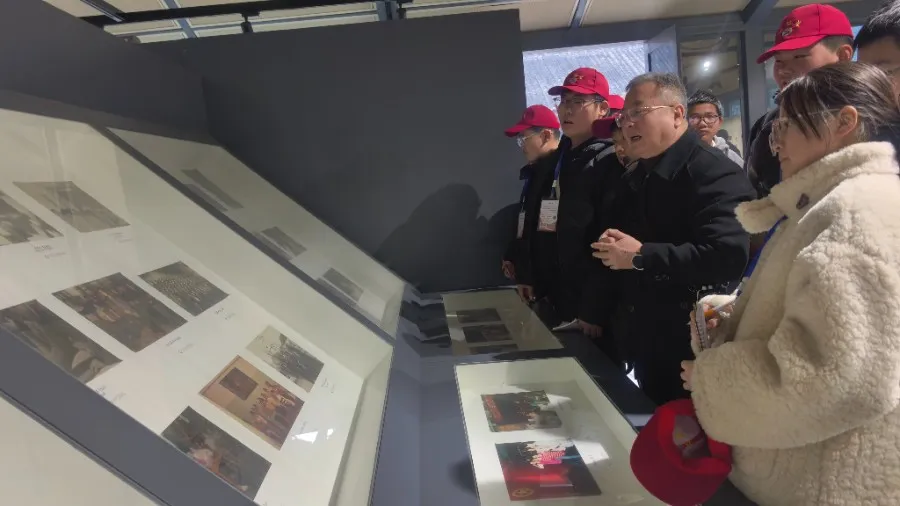
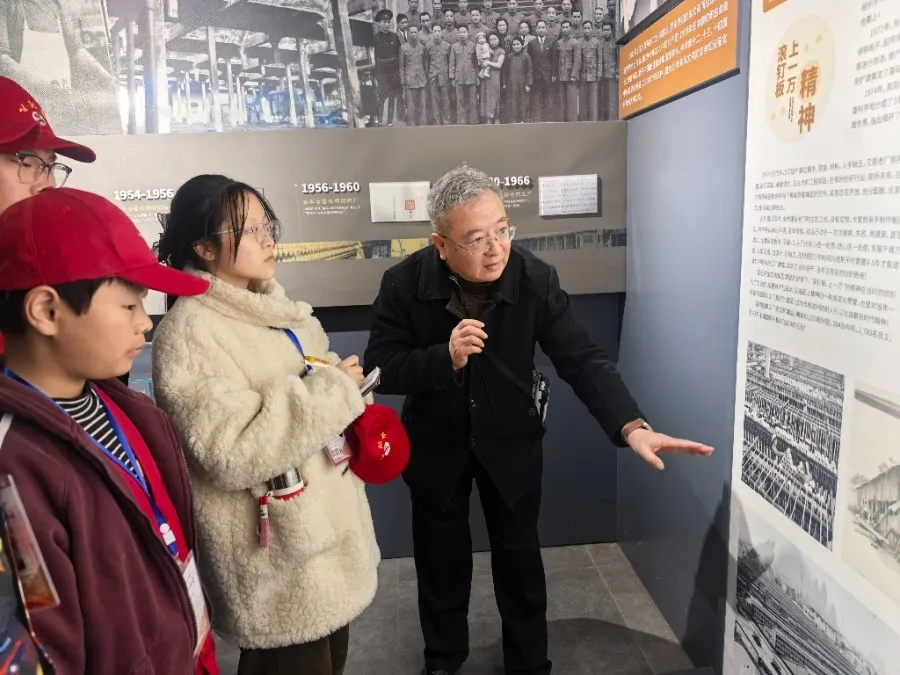
Inside the Daming Factory Industrial History Hall, films and exhibits traced the enterprise’s evolution from 1921 to the present, highlighting its leap from manual weaving to intelligent production.
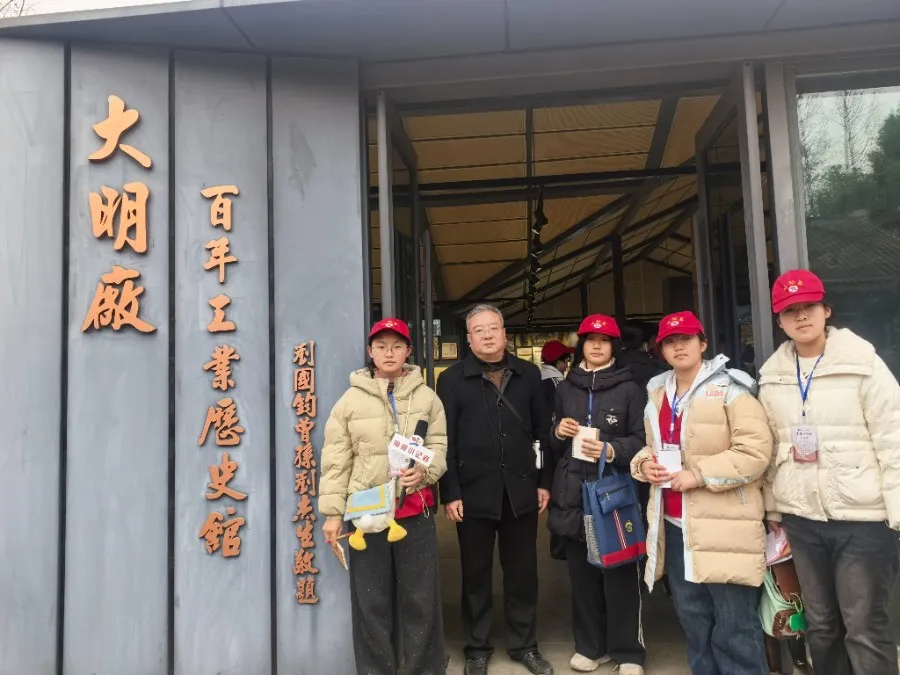
The Liu Guojun Memorial Room displayed original office items, quietly conveying the enduring mission of “saving the nation through industry.”
Modern Manufacturing Meets Republic‑Era Charm
In the product showroom, eight major series with more than 180 new items showcased the strength of high‑tech manufacturing. Smart equipment demonstrations gave students a glimpse into cutting‑edge industrial innovation.
Outside, the red‑brick offices and century‑old water tower reflected the architectural style of the Republic of China era, offering a popular backdrop for photos.
Reflections and Future Outlook
This immersive study tour brought textbook knowledge to life. The young reporters experienced craftsmanship firsthand and absorbed the patriotic spirit embedded in industrial history.
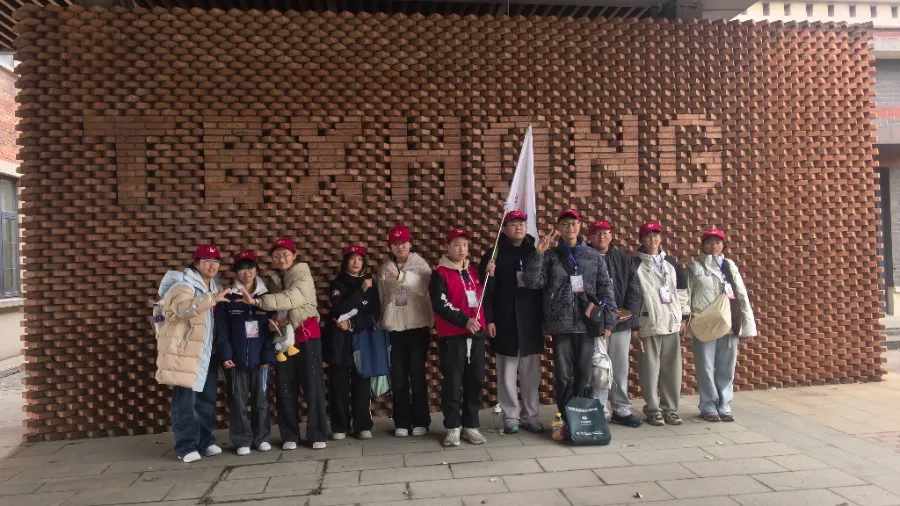
They expressed determination to remember this legacy and, with youthful energy, continue writing new chapters in the story of China’s industrial development.
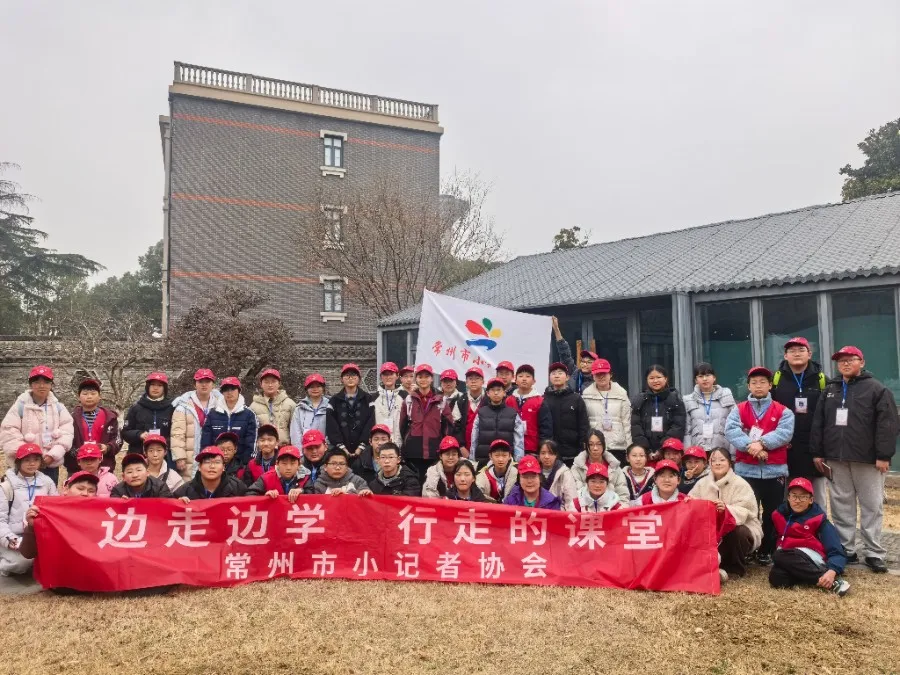
Attribution & Credentials:
- Text & Images: Shi Xiao
- Layout: Shi Xiao
- Review: Mao Cuie, Liu Xiaoyan