 1908
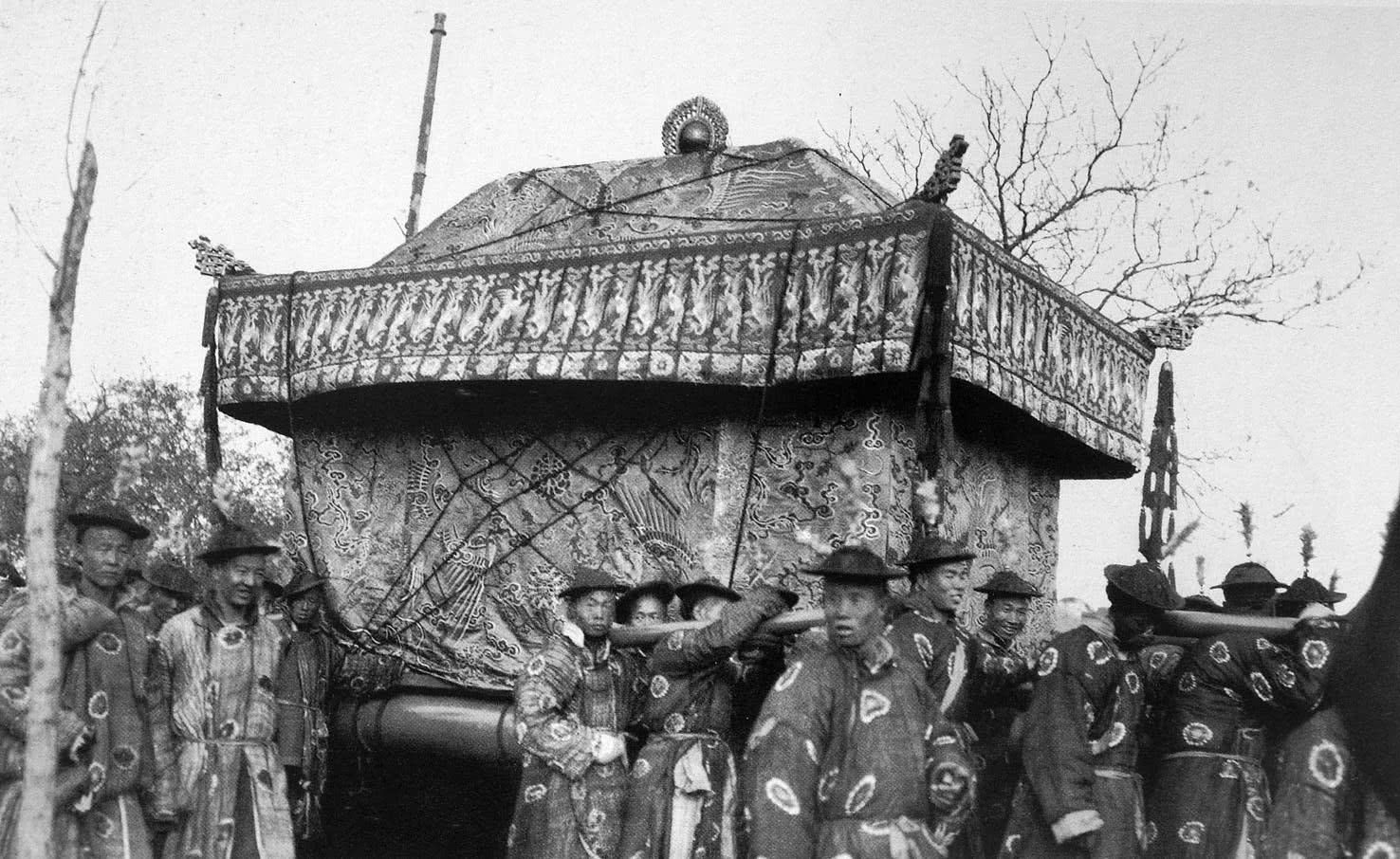
1908In November 1908, after the death of Guangxu Emperor and Empress Dowager Cixi, Liu Guojun purchased white silk threads and cloth to weave into braided whiskers overnight. Sure enough, the official government issued a notice instructing everyone to adorn their gates with cloth and change their braids to white during the national mourning period. Liu Guojun's quick wit earned him 200 silver dollars as he accumulated his "first bucket of gold" for entrepreneurship.
Image: Empress Dowager Cixi Funeral procession, 1908
- First business at age 221909
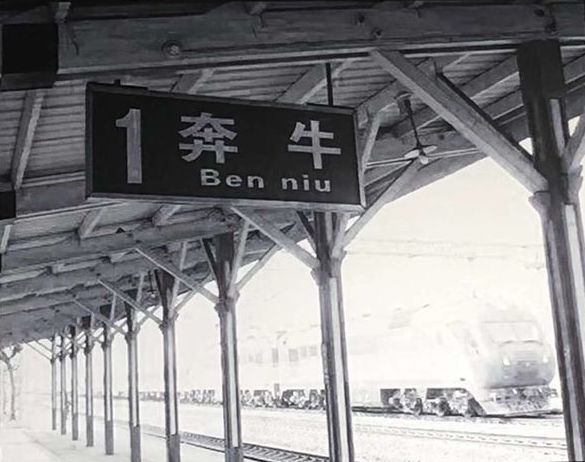
15-year-old Liu Guojun accompanied his neighbours to work as an apprentice at a foreign goods store in Benniu Town, Ximenwai, Changzhou. By 1909, he had saved 600 yuan to jointly open the Hefengjing Goods Store and soil dyeing workshop to sell green cloth and Yuan cloth. Thanks to his effective management, the business thrived, and he soon became the wealthiest man in Benniu Town.
 1915
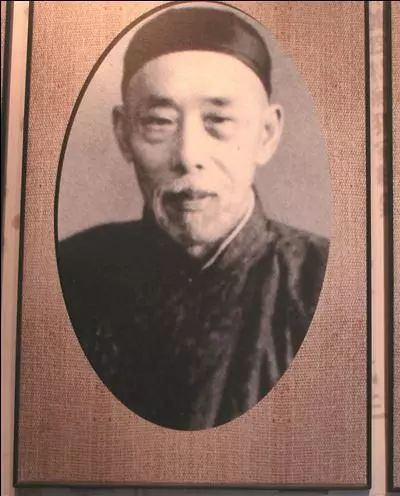
1915By 1915, Liu Guojun was the owner of two Benniu goods stores. He sold them for 30,000 yuan and invested 6,000 yuan. Later, he joined forces with Jiang Panfa, Liu Baosen, and others to establish Dalun Machine Weaving Factory in Changzhou. The team invested 90,000 yuan and equipped the factory with 120 wooden machines and 100 iron machines.
Image: Jiang Panfa, a famous industrialist and manager of Dalun Machine Weaving Factory
- 1918
Liu Guojun withdrew his investment from Dalun and started the Guangyi Cloth Factory (广益织布厂) as a sole proprietor in the spring of 1918. Despite its small scale with only 80 wood machines, the factory generated a profit of over 3,000 yuan within a year of its establishment and has remained profitable every year since.
- 1922The largest clothing factory in Changzhou
In 1922, the Guangyi Cloth Factory purchased 180 wooden machines, 36 iron-wood machines, sizing equipment, boilers, diesel generators, and other necessary equipment. This led to the establishment of Guangyi No. 2 Factory (广益二厂), which became the largest dyeing and weaving factory in Changzhou at the time.
- Visit to Japan1924
China's national industry and commerce faced severe challenges after the end of the First World War. Meanwhile, Japan excelled in the textile market due to their advanced technology. In an effort to improve his own factory's operations, Liu Guojun traveled to Japan to learn about their weaving innovations. He discovered that Japanese companies had a competitive edge, thanks to their focus on practical management, streamlined scientific processes, and cost-saving measures.
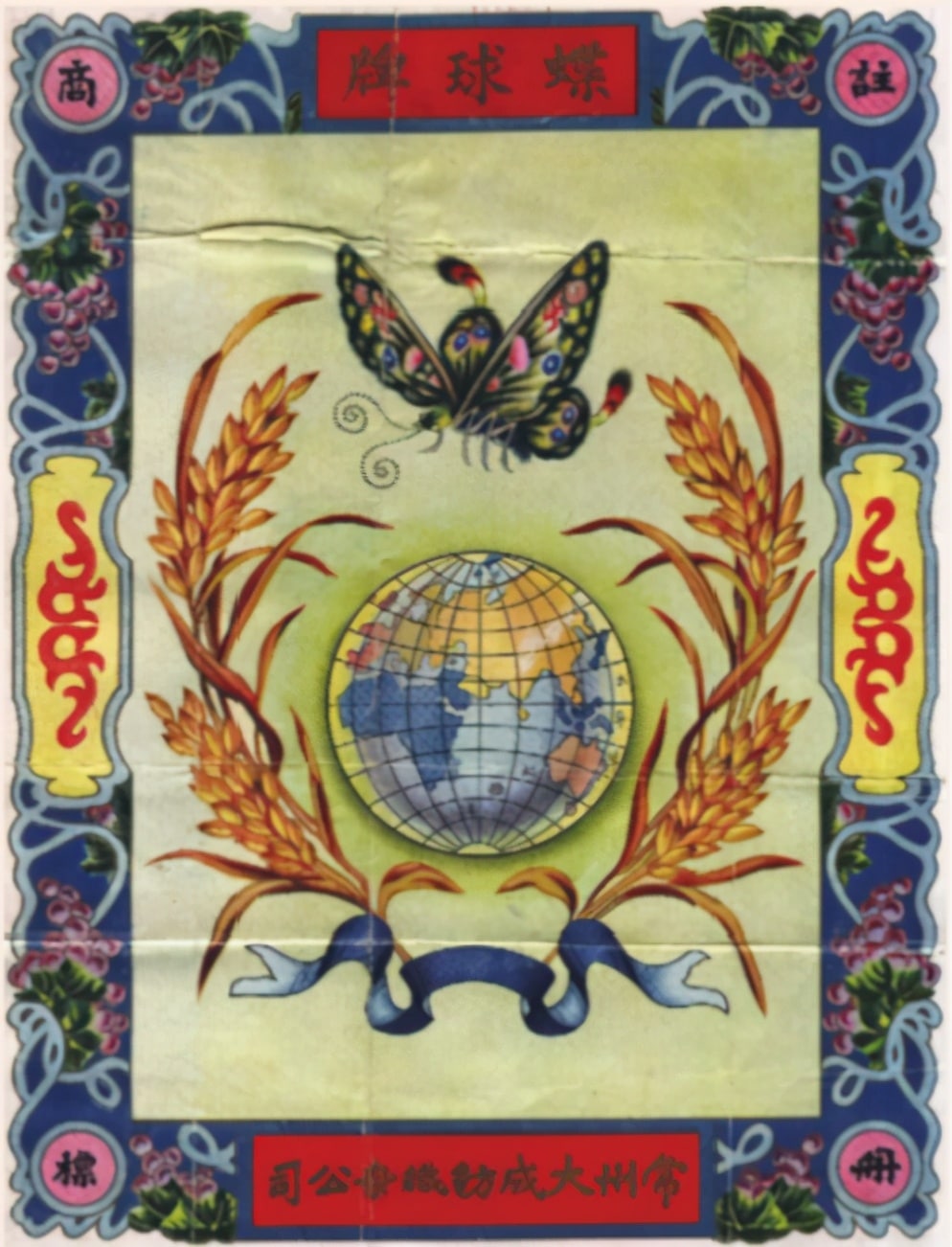
Upon returning to China, he successfully implemented "cheese yarn" at his factory. At the same time, Guangyi Cloth Factory created a major brand trademark called "Butterfly Ball". The trademark featured a large butterfly flying onto the earth, symbolizing invincibility in the world due to the similarity between "butterfly" and "invincible" in Shanghainese.
Image: Guangyi Cloth Factory's "Butterfly Ball" brand trademark
- 1927
In 1927, Liu Guojun combined the Guangyi Cloth Factory and Guangyi No. 2 Factory, forming the Guangyi Dyeing and Weaving Factory. The company aimed to modernize and integrate spinning, weaving, printing and dyeing. He replaced wood and ironwood machines with Toyota electric motors and added finishing and dyeing equipment to modernize the factory. In response to market demands, he expanded the product range to include blue cloth, Yuan cloth, bleached cloth, flannel, wrinkled leather cloth, tribute cloth, and serge, among others, with various designs and colors.
- Beginnings of Dacheng1930
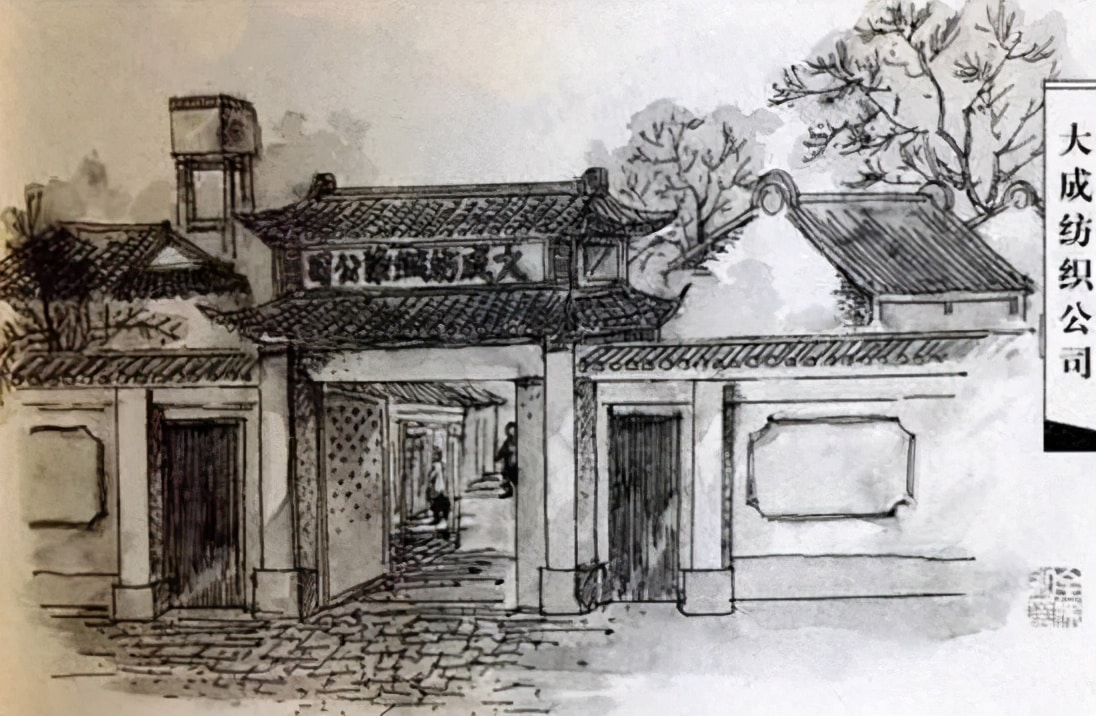
Liu Guojun took over Panda Lun Jiuji Spinning Mill and established the well-known Dacheng Textile Dyeing Company (大成纺织印染股份) when he was 43 years old. He served as the manager and within less than 8 years, the capital increased from 500,000 yuan to 4 million yuan, the number of spindles grew from 10,000 to 80,000, and one factory expanded to four factories. During a time when China's textile industry was struggling, economists praised the company's success as a "rare miracle".
Image: An early sketch of Dacheng Textile Dyeing Company
 1932
1932In the fall of 1931, Liu Guojun made another trip to Japan shortly after the September 18th Incident. Unfortunately, due to the strained relationship between China and Japan and the technological limitations imposed by Japanese businessmen, he was met with a cold reception and struggled to find factories willing to work with him.
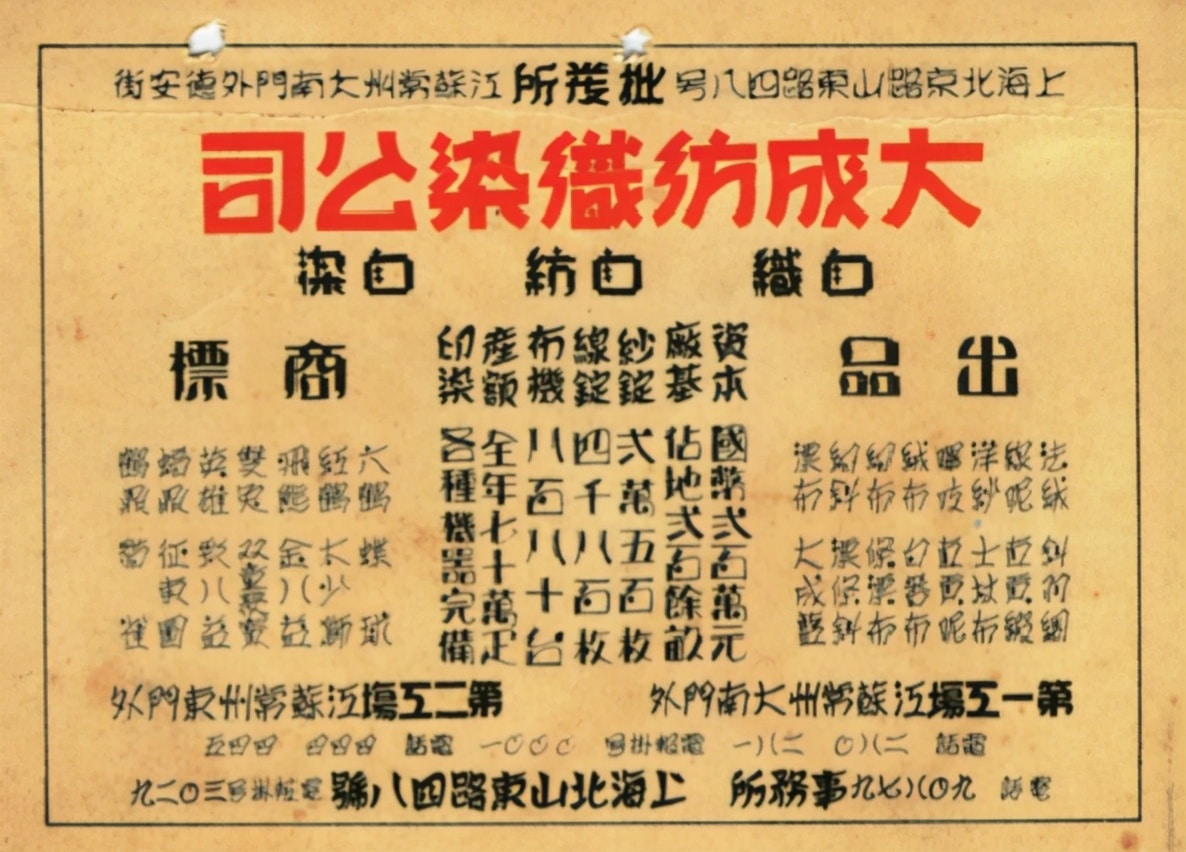
His trip helped him realize that relying solely on dyeing, weaving, or spinning was not enough. If there were traffic obstacles, market fluctuations, or raw material interruptions, production would inevitably stop. To compete with foreign businessmen, he merged the Guanyi Dyeing and Weaving Factory into Dacheng Textile Dyeing Company and developed an all-round enterprise.
Liu Guojun then established the new Dacheng No.2 Factory (大成二厂). Dacheng's printing and dyeing capabilities flourished rapidly, propelling it to the forefront of the textile industry in the country.
Image: An early Dacheng Textile Dyeing Company flyer
- Pioneer in the domestic production of velvet and corduroy1934
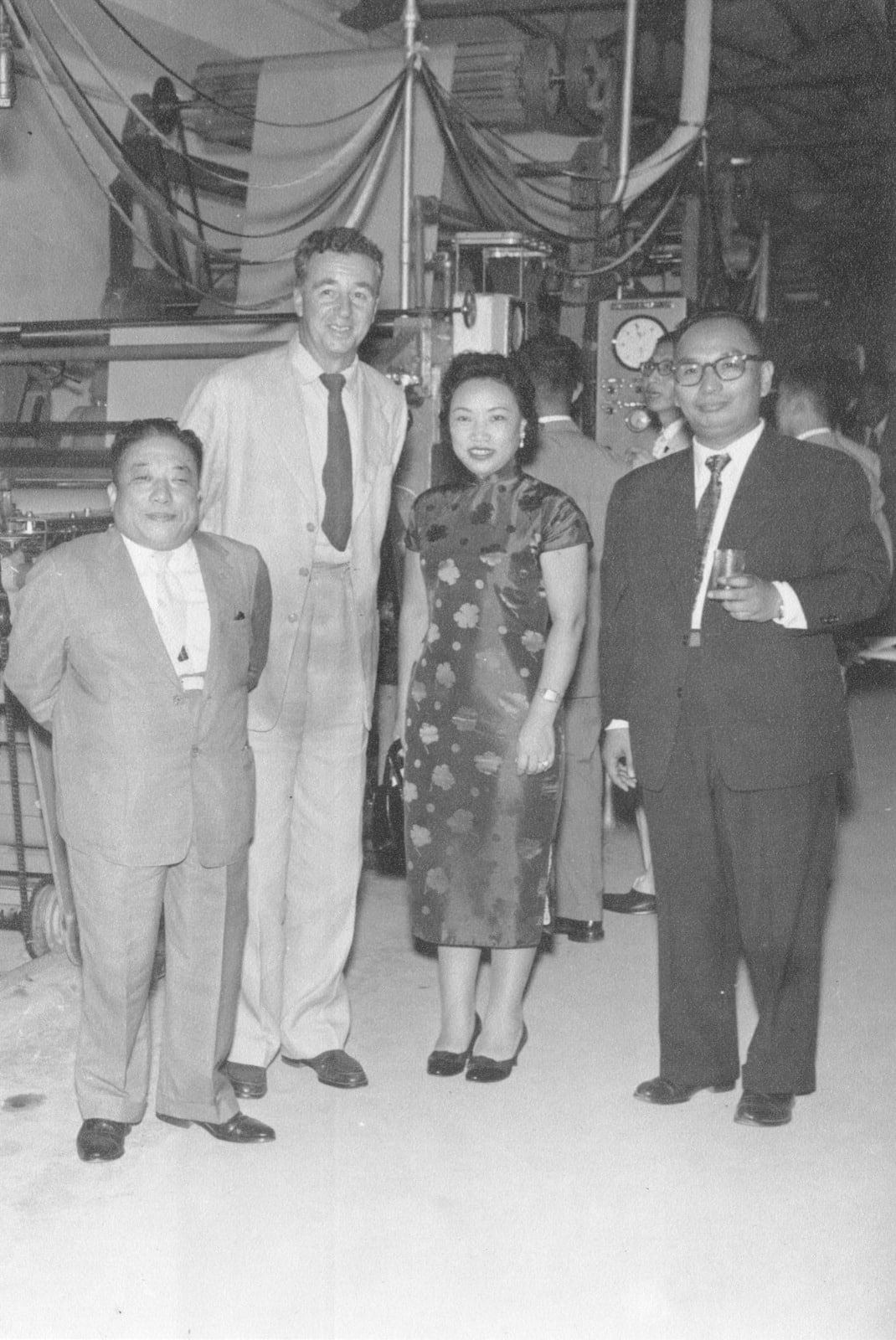
In the spring of 1934, Liu Guojun, his wife, his eldest son, Han Kun and son-in-law, Cha Jimin visited Japan three times. Liu Guojun invested a significant amount of money to bring in Japanese velvet cutters to China, with the objective of teaching locals the techniques of velvet cutting and knife sharpening. Within two to three years, his initiative paved the way for the earliest successful production of velvet and corduroy in China's textile industry.
Image: Photograph of Han Kun (left), Liu Biru (middle) and Cha Jimin (right)
 1936
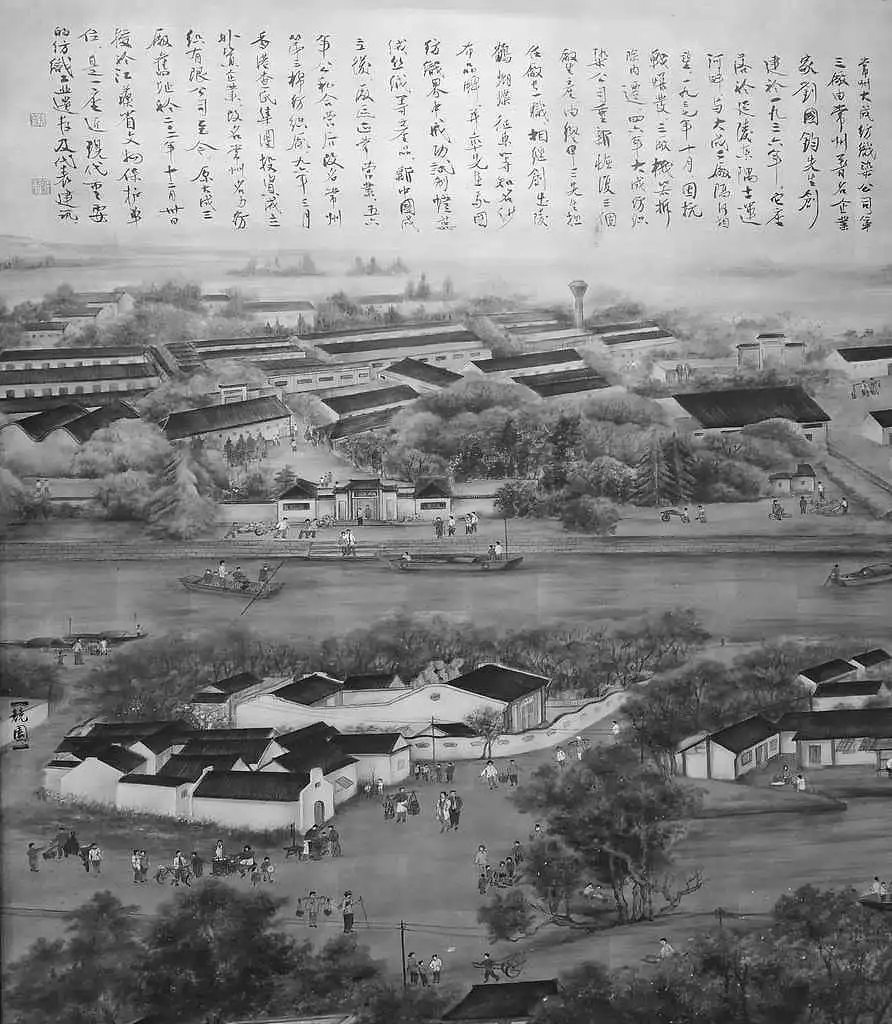
1936Dacheng No.3 Factory (大成三厂) was established.
Image: Early painting of Dacheng No.3 Factory (situated across the river) and it's old gatehouse entrance
- Destruction of Dacheng Factories1937
In 1937, Liu Guojun continued to make impressive strides. The spindles of Dacheng Textile and Dyeing Company alone accounted for approximately 2% of the national Huashang yarn mills, while the looms accounted for about 7%. Additionally, the printing and dyeing equipment of the company had a daily production capacity of 5,000 horses, making it the leading producer in the country.
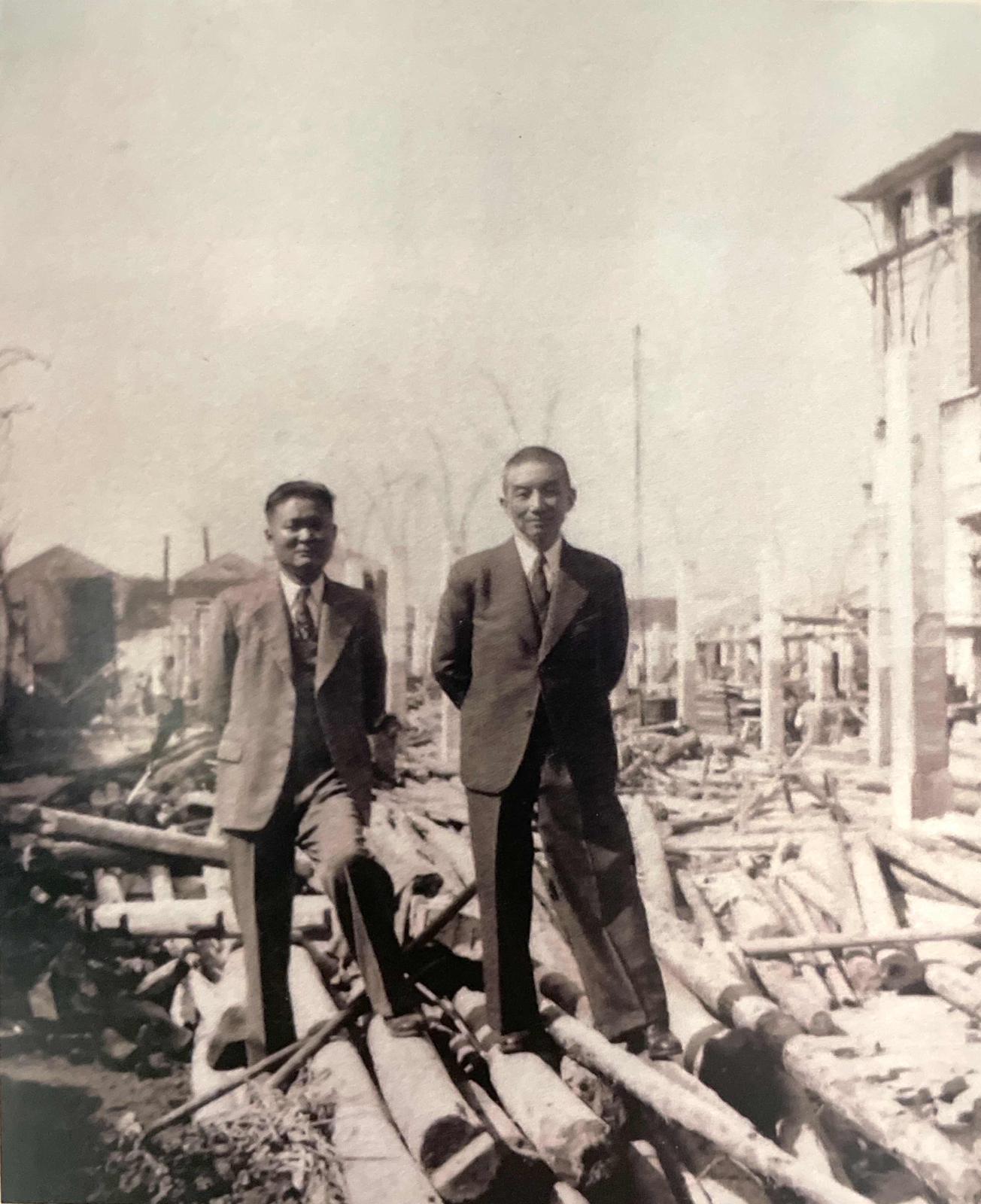
However, in September of the same year, Japanese planes bombed Changzhou and completely destroyed Dacheng No.1 and No.2 Factories. Facing the ruins of the Dacheng Factory, Liu Goujun stood there for a long time, helplessly saying, "Half of my life's hard work has been ruined." Just two days before the fall of Changzhou, Liu Guojun devised a plan to relocate to Wuhan with his family. He put all his efforts into Dacheng No. 4 Factory and established the Daming Textile and Dyeing Factory.
Image: Liu Guojun (right) and factory director, Zhang Yifei in front of the ruins of the bombed Dacheng factory in November 1937
- 1938
In 1938, the spindle equipment and other machinery that had not been transported on time were re-packed and shipped to Shanghai through the Japanese blockade. Dacheng Company rented the Zhonghua Book Company Printing House as a temporary factory to start production. To ensure safety, British directors were hired to act as false directors and the signboard of "British Anda Cotton Mill" was displayed. At this point, the employees of Dacheng Company were scattered in Hankou, Shanghai, and Changzhou and were working in extremely challenging conditions.
- China, after 1945 and it's post-war recovery1945
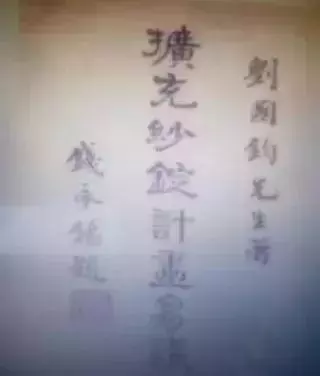
Upon hearing news of Japan's unconditional surrender in August of 1945, Liu Guojun was filled with joy and returned promptly to Shanghai. He had authored a book, "A Preliminary Discussion on the Plan to Expand the Spindles," just before the war's end, in which he proposed a 15-year timeline for increasing the number of spindles in China to 15 million and establishing itself as a leader in the global textile industry.
With great efficiency, Liu Guojun gathered the necessary materials to restore Dacheng factories, which enabled the three factories in Changzhou to quickly resume production. After two years of hard work, the inventory of raw cotton, machine materials, finished products, and working capital exceeded pre-war levels.
Image: A Preliminary Discussion on the Plan to Expand the Spindles" written by Liu Guojun in July 1944
- 1948
In September 1948, the Kuomintang issued gold yuan bonds, causing financial chaos. Liu Guojun felt hesitant, depressed, and worried, and dejectedly took refuge in Hong Kong during the late period of the Liberation War. He opened Southeast Cotton Mill but always paid attention to news from his motherland.
- Return to China1950
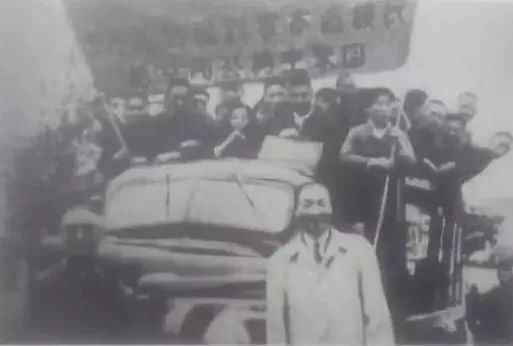
On September 16, 1950, Liu Guojun and his wife set off from Hong Kong on their way back to China. His top priority was reorganizing the Dacheng company, emphasizing improving management and technology. He arrived in his hometown in Changzhou on September 30th. Dacheng company employees and villagers carried red banners and lined the streets to welcome Mr. Liu Guojun home.
Image: Dacheng employees and villagers welcomed Liu Guojun (front left) with banners upon his return to his hometown of Changzhou in 1950
 1951
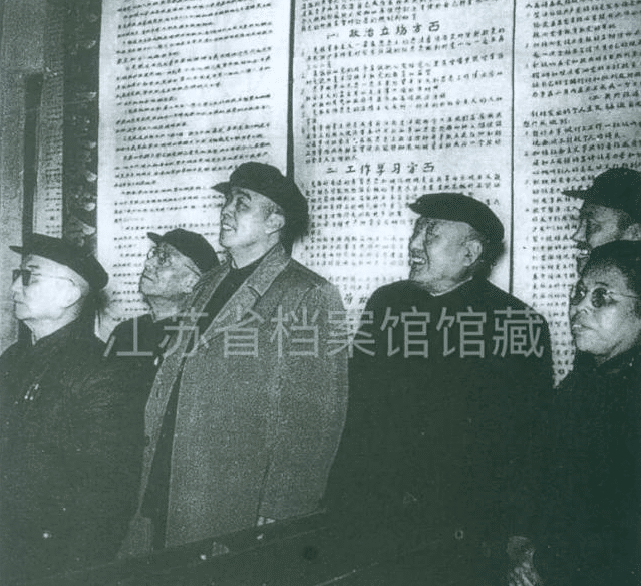
1951Liu Guojun met with Huang Yanpei in Beijing shortly after his return to China. He was warmly received by central leaders and eventually became a member of the China Democratic National Construction Association, where he was later elected as chairman. He founded Changzhou Textile College to promote vocational education for minors in Dacheng Textile Dyeing Company to improve employees' technical skills continuously.
Dacheng donated 5 billion yuan and Liu Guojun contributed 265 million yuan to demonstrate their commitment to following the socialist path. In addition, he donated woolen spinning machinery and equipment to the Nanjing People's Government that remained in Shanghai and Hong Kong. This contribution laid the foundation for Nanjing's woolen industry, which was crucial during the resistance movement against U.S. aggression and aid to Korea.
Image: Liu Guojun (first from left) with Huang Yanpei (fourth from left) inspects Changzhou
- 1953
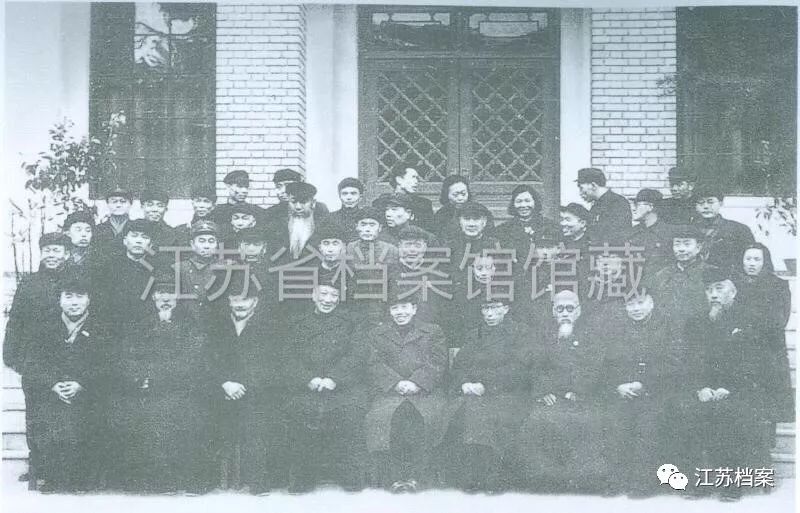
In 1953, Liu Guojun was elected as a representative for the provincial people at the first Jiangsu Provincial People's Congress. Later that same year, he was invited to Zhongnanhai to attend a forum of non-party personalities discussing the implementation of state capitalism and public-private partnerships. Liu Guojun's views on policies were still uncertain at the time. As soon as the meeting ended, he went to visit his old friend Huang Yanpei, who taught him the four words "advancing with the times" and awakened the dreamer in him.
This inspired Liu Guojun to initiate the idea that public-private partnerships must be the general trend. He saw that production was booming and the situation was excellent, so he actively advocated for public-private partnership as he strongly believed that it was the ideal approach to shape one's own future. He thought, "Why don't I follow the trend and set an example?"
Image: Liu Guojun (first from left behind) at the first meeting of the People's Government Committee, taken in January 1953
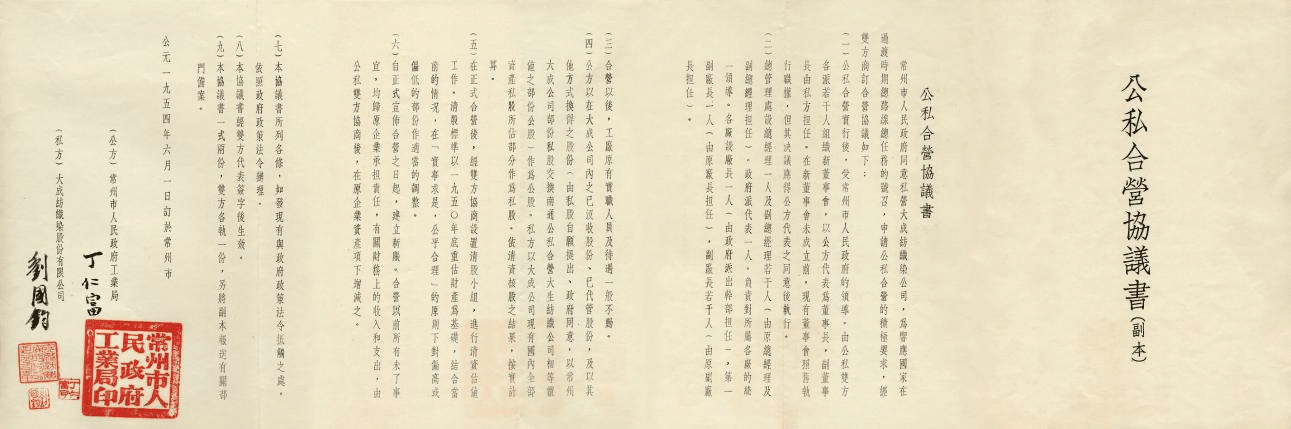 1954First batch of enterprises in Jiangsu to implement public-private partnership
After returning to Changzhou, Liu Guojun wasted no time in planning to apply for a public-private partnership. He aimed to be among the first to implement such a partnership, so he shuttled between Shanghai and Changzhou to negotiate with every director and supervisor of Dacheng Company. On December 15th, at his Qingguo Lane residence, a joint meeting of directors and supervisors was held by Dacheng Company, where the proposal for a public-private partnership was unanimously passed. Subsequently, an application was submitted to the Changzhou Municipal People's Government.
The government officially approved the public-private partnership of Dacheng Textile Printing and Dyeing Company. On June 1st, Dacheng formally signed a public-private joint venture agreement, becoming the first company in Jiangsu to implement such a partnership.
Image: The Industrial Bureau of Changzhou Municipal People's Government and Dacheng Company signed a public-private partnership agreement
- Elected as vice govenor of Jiangsu Province at age 691956
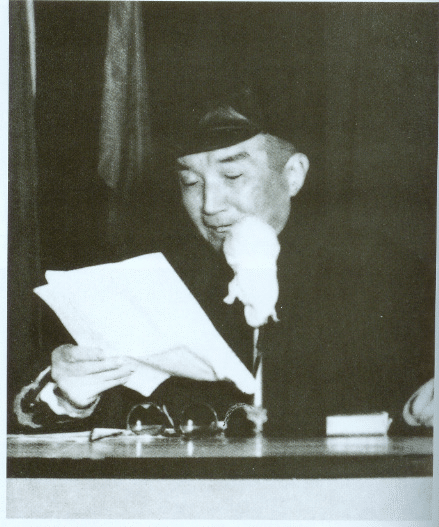
In 1956, Liu Guojun was elected as the vice governor of Jiangsu Province during the Second People's Congress of Jiangsu Province, prompting his move from Changzhou to Nanjing.
Throughout his meetings at the Provincial People's Congress, National People's Congress, and government sessions, he put forth proposals advocating for the utilization of Jiangsu's rural areas to boost farmers' income by raising rabbits. His suggestions included enhancing the meat supply and generating foreign trade income through exporting rabbit fur. He also recommended expanding the production of colored fabrics, printed fabrics, and corduroy to penetrate the international market. The government has implemented many of his recommendations.
Image: Liu GuoJun photographed at Changzhou's Celebration Victory, 1956
- 1959
In June 1959, at the Second Congress of the Jiangsu Provincial Federation of Industry and Commerce, Liu Guojun was elected as the chairman of the Jiangsu Provincial Federation of Industry and Commerce, and served as the chairman of the Jiangsu Provincial Working Committee of the China Democratic National Construction Association.
- Giving back to his hometown1960
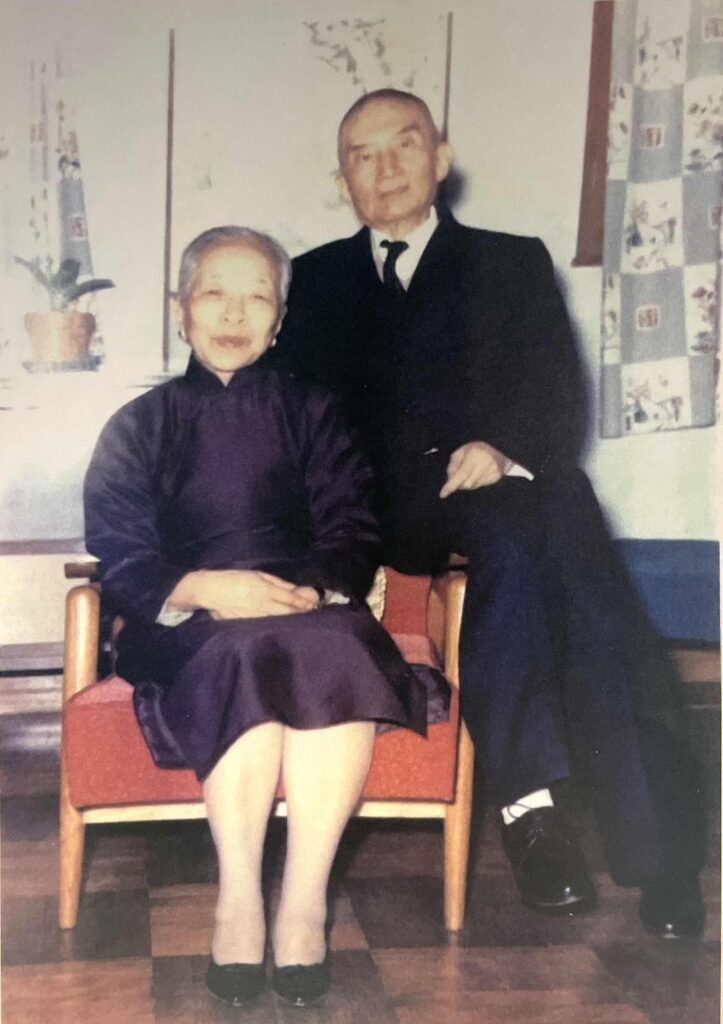
In 1960, Liu Guojun invested 1.2 million Hong Kong dollars to purchase fertilizers and ten Dongfeng brand walking tractors to support agricultural production in his hometown. He motivated his children to transfer 350,000 yuan in foreign exchange to join the Overseas Chinese Investment Company to support national development and made significant contributions to Jiangsu Province. The province and Changzhou City proposed to establish shuttleless textile cloth factories and other emerging projects with Liu Guojun's help.
Image: Liu Guojun with his wife Chu Sue, taken in early 1960s
 1962
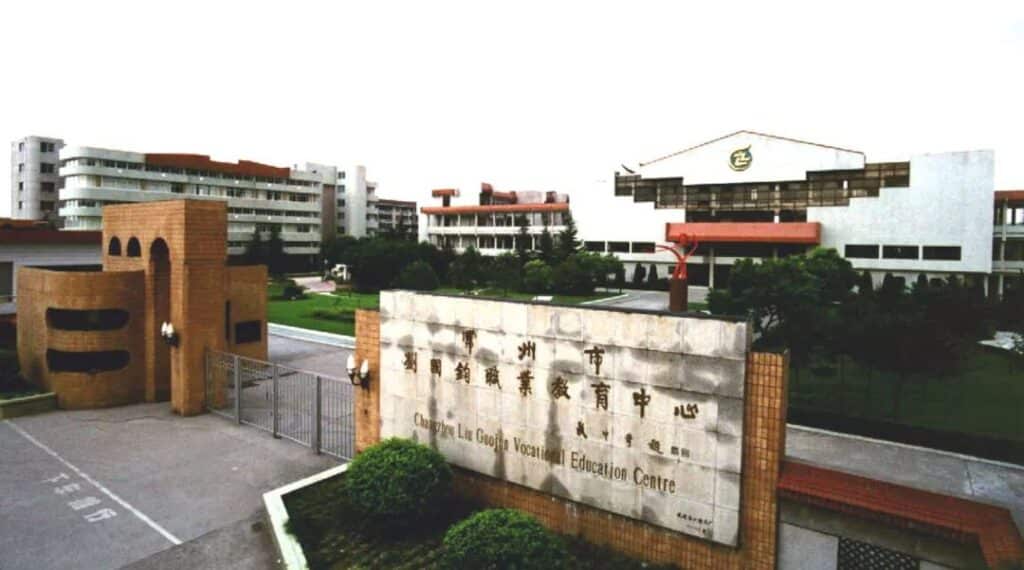
1962Changzhou Qinye Mechanical and Electrical School, founded by Liu Guojun in 1962, later became Changzhou Radio School, a provincial key technical secondary school. Today the institution has evolved into Changzhou Information Engineering Vocational College.
Image: Photograph of Changzhou Liu Guojun Vocational Educational Centre, one of the vocational schools founded by Liu Guojun
- 1969
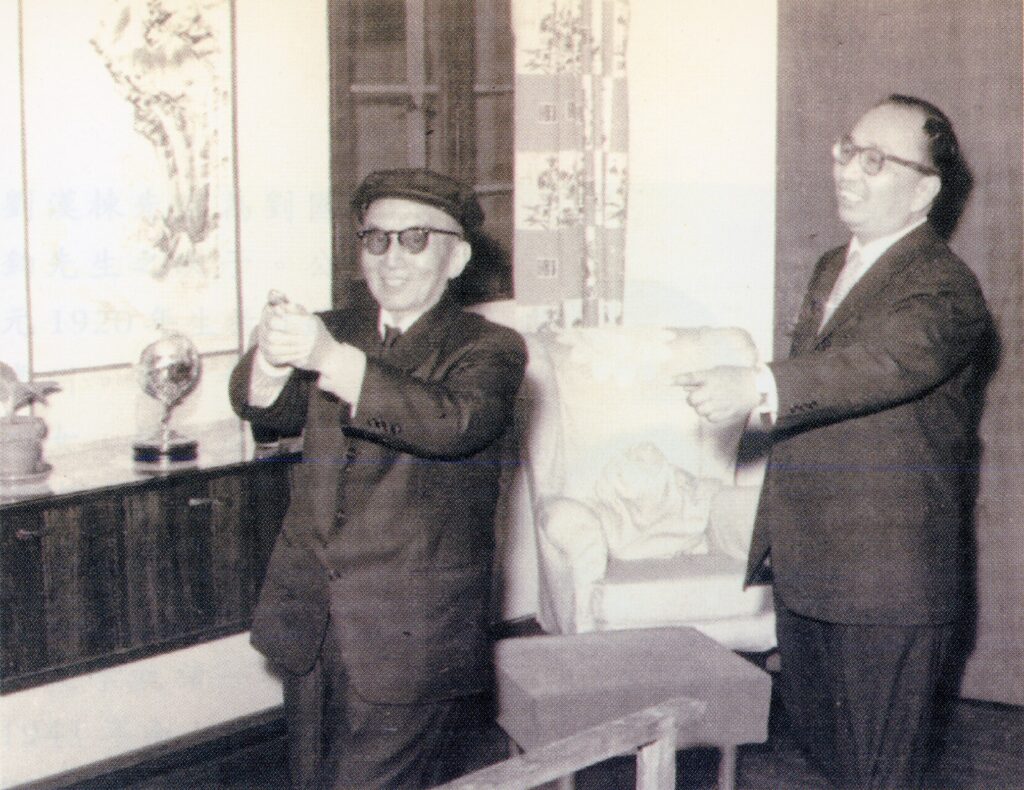
Liu Guojun was elected as the fourth National People's Representative at the end of 1969. The factory embarked on research on chemical fiber projects to address the issue of insufficient cloth production. It succeeded in trial spinning and weaving of "Qianliang" (polyester fabric) in 1969, making it one of the second-largest factories in the world. It was also among the first major enterprises in China to produce "Qingliang" polyester cotton during the 1960s and 1970s.
Image: Liu Guojun and Cha Chiming, taken in Hong Kong in 1960s
 1970
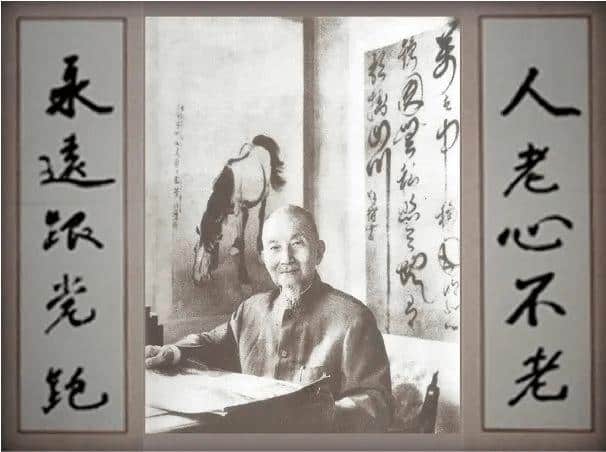
1970In 1970, the 84-year-old Liu Guojun wrote a couplet in his handwriting, "A man's heart never grows old, and he will always run with the Party" and hung it in his living room to express his firm belief.
Image: Portrait of Liu Guojun in his study, alongside his written couplet
- Museum donations1973
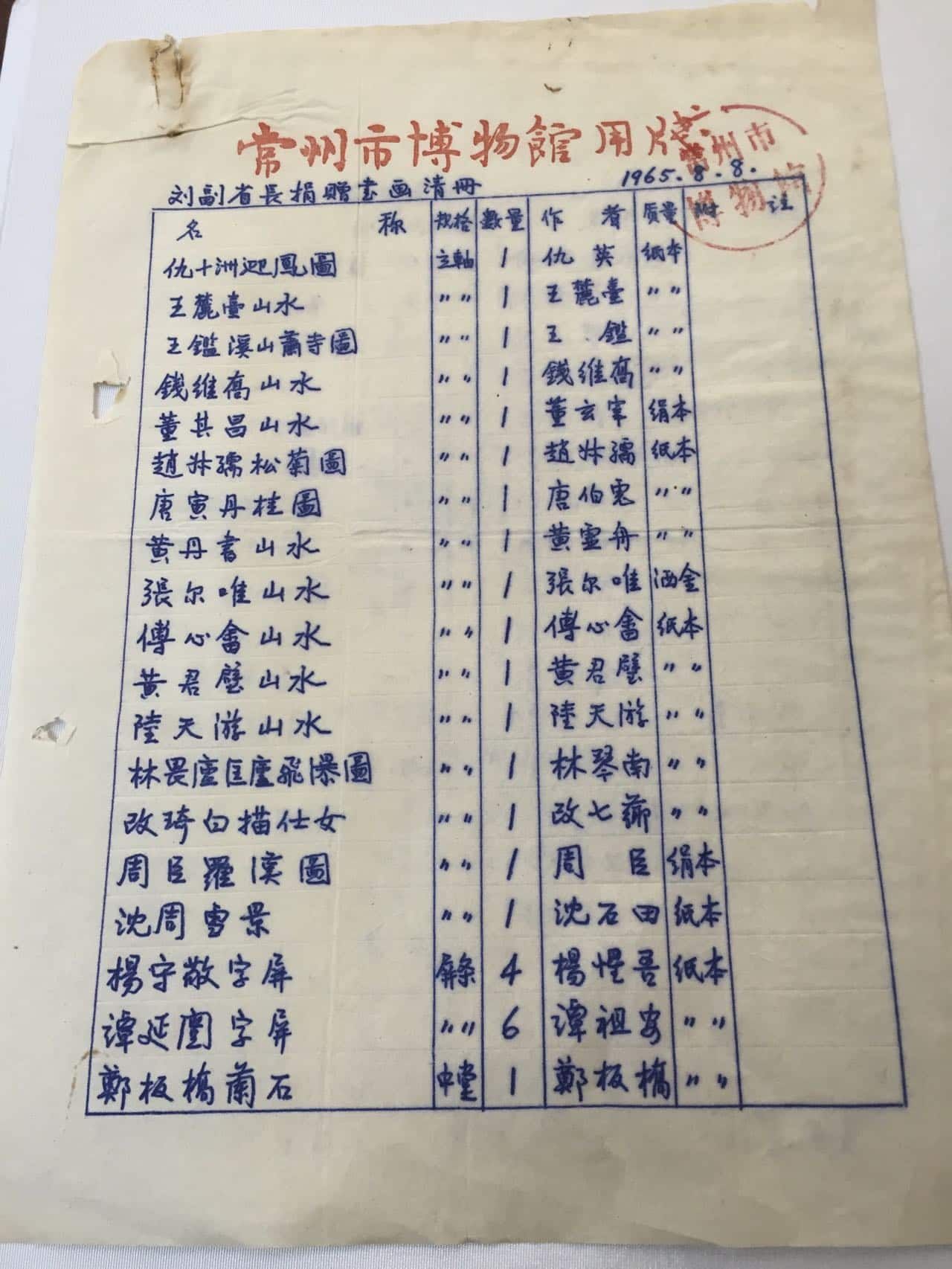
In 1973, the local leaders arranged a new residence for Liu Guojun in Meiyuan New Village in Nanjing and invited him to participate in social activities. Despite being in his late eighties and in declining health, Liu Guojun still frequently traveled between Nanjing and Changzhou due to his enthusiasm for the development of his hometown. He also sponsored public welfare projects in Changzhou, Jingjiang, and other areas, and donated some of his calligraphy and paintings to the Nanjing Municipal Museum and Changzhou Museum.
Image: List of Liu Guojun's donated works to the Changzhou Museum
 1977
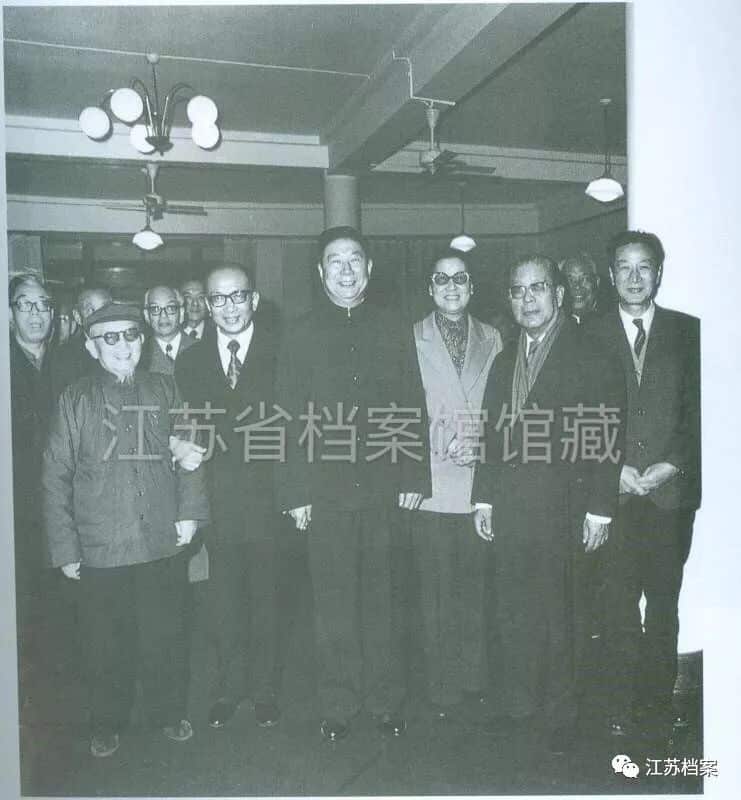
1977Liu Guojun was elected as a standing committee member of the Jiangsu Provincial People's Congress and vice chairman of the Jiangsu Provincial Committee of the Chinese People's Political Consultative Conference in December 1977. At the time of his election, Liu Guojun was 90 years old.
Image: In the early 1970s, Fei Yimin (front, second from left) and representatives of the Chinese General Chamber of Commerce of Hong Kong went to Nanjing to visit Mr. Liu Guojun (front, first from left)