Liu Guojun’s Third Reconstruction of the Yue Temple
Introduction:
Liu Guojun, a legendary industrialist and patriotic entrepreneur, devoted his life not only to building China’s textile industry but also to preserving cultural heritage. Among his many contributions, his three reconstructions of the historic Yue Temple in Jingjiang stand out as a testament to his deep respect for General Yue Fei and his enduring commitment to national spirit.
Notes:
This English version has been adapted for accessibility to English-speaking readers, with minor adjustments made for clarity. All images and captions are sourced from the original publication, with copyrights retained by their original creators, included to honor the spirit and details of the initial work. The original article in Chinese is available for viewing here.
范兄 谢桥双忠古银杏
Date Published: June 8, 2024
A Patriot and Industrial Legend
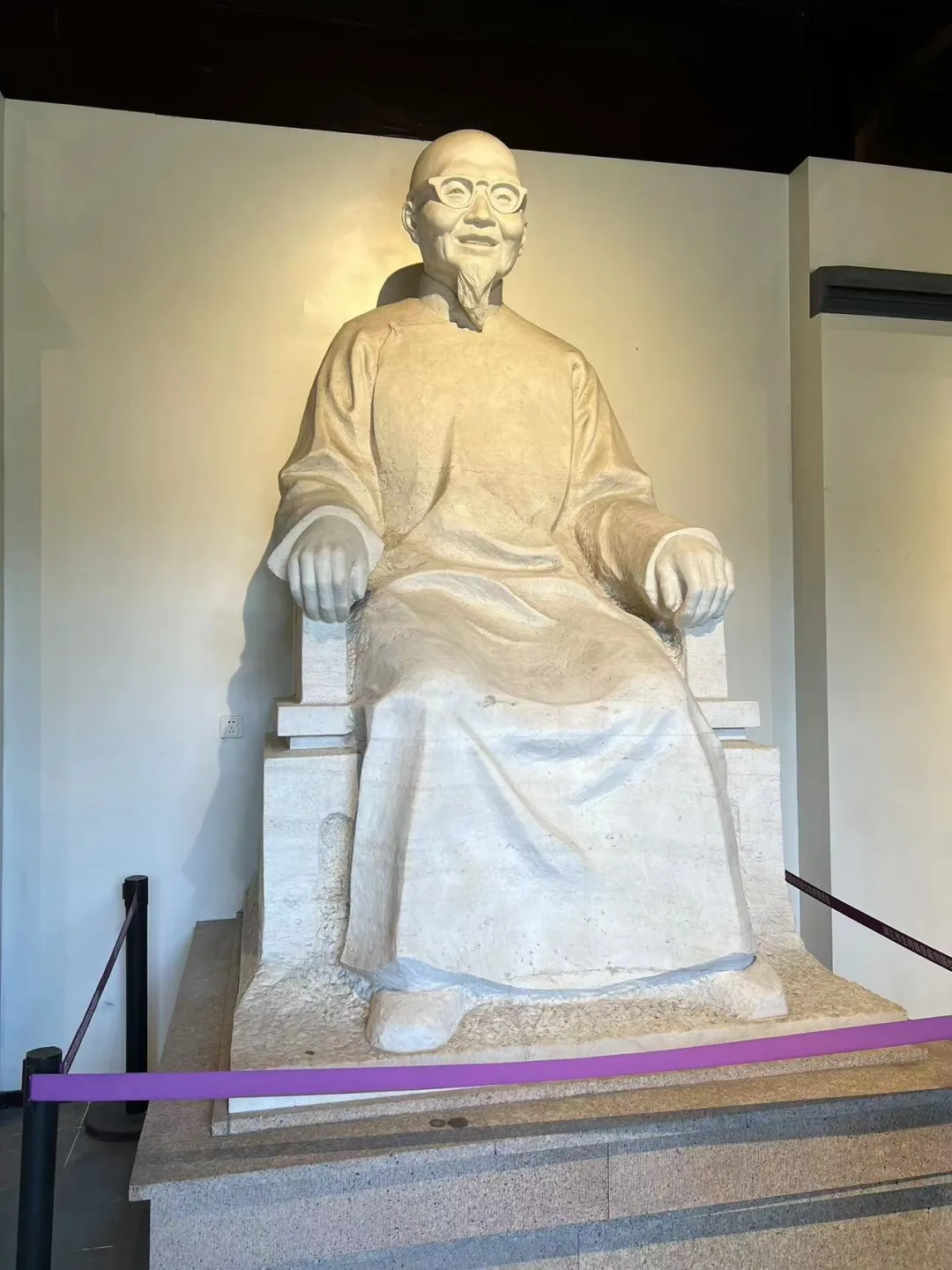
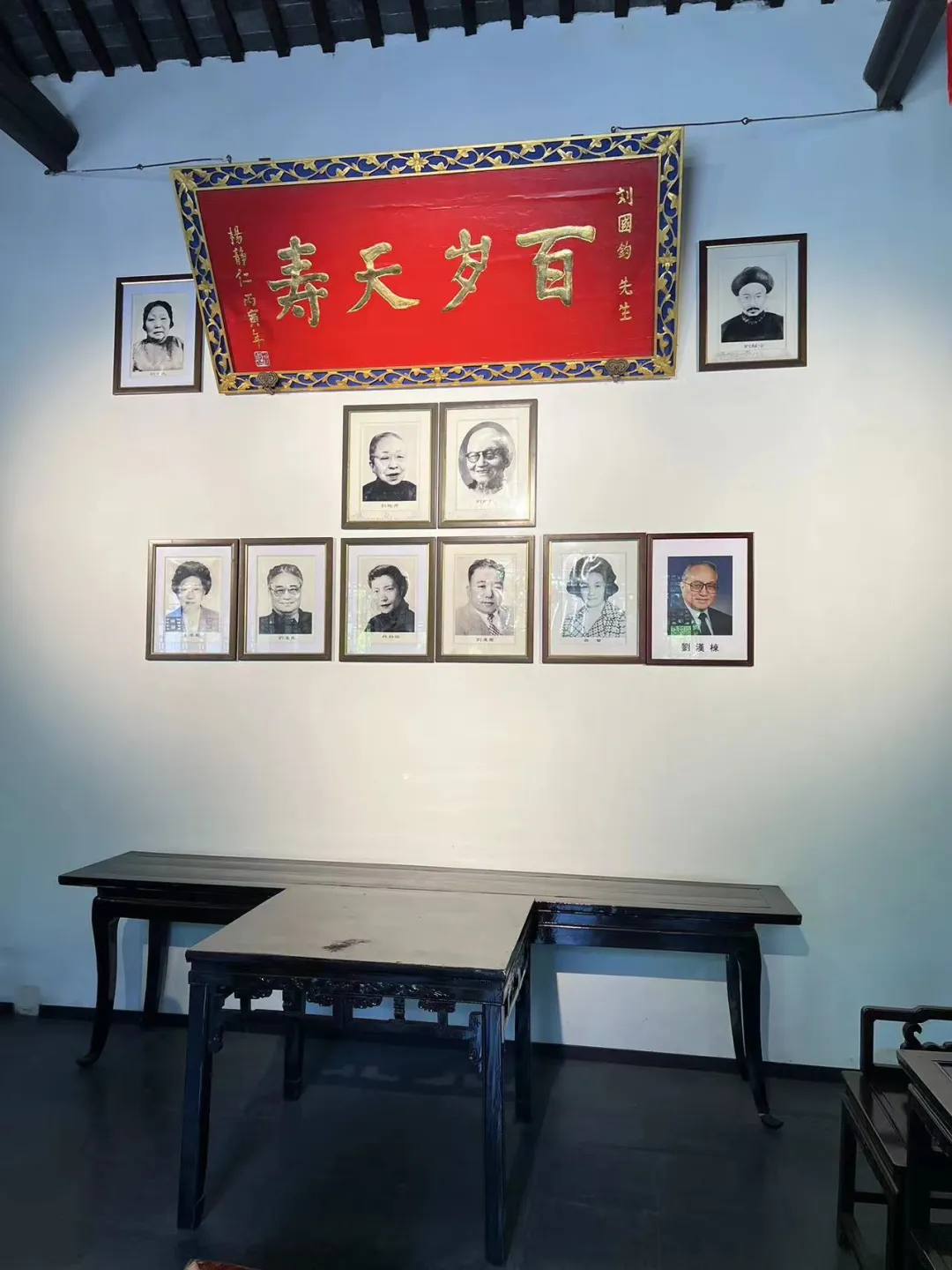
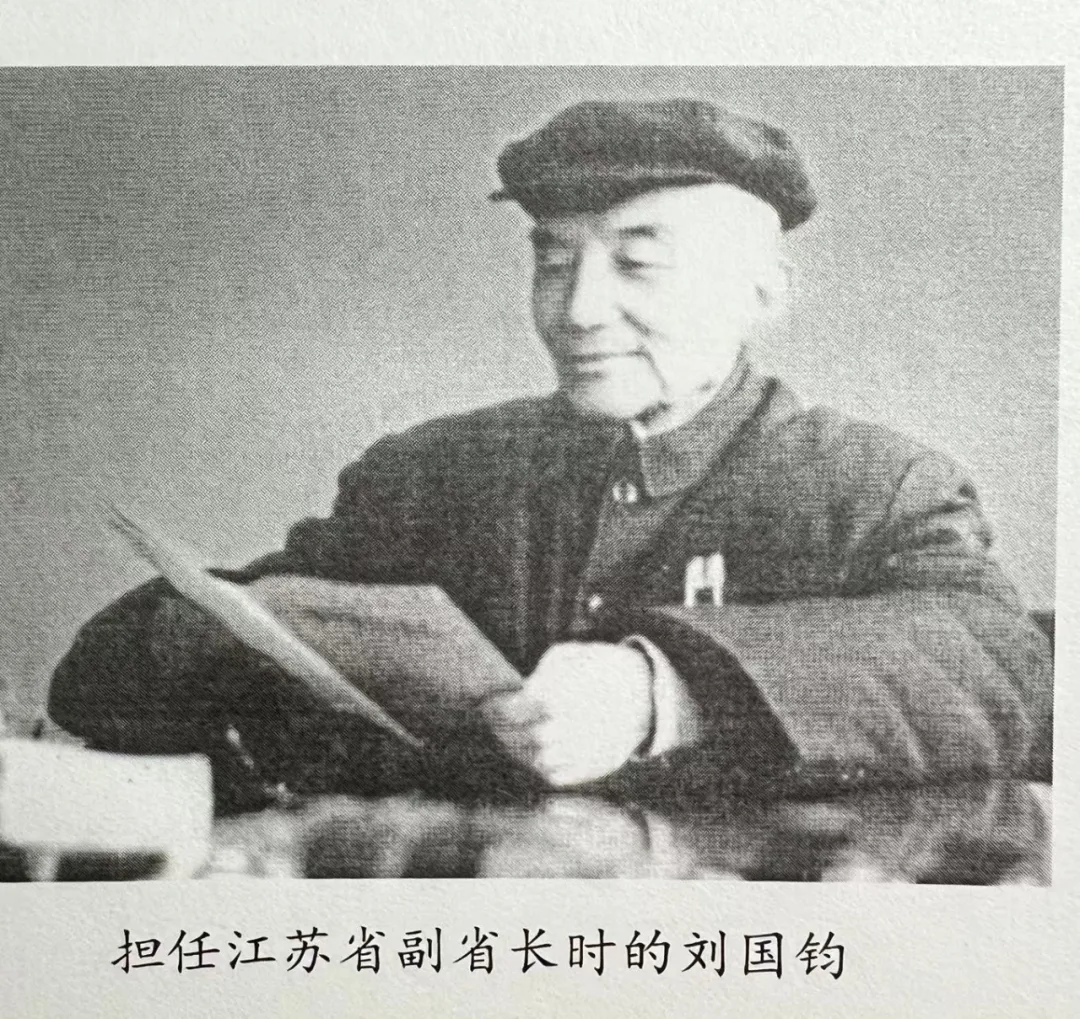
Liu Guojun, donor of Weng Tonghe’s Landscape Album, was a legendary national industrialist and renowned patriotic entrepreneur. Before the founding of the People’s Republic, he served as chairman of Changzhou Dacheng Company. After liberation, he held positions including Vice Governor of Jiangsu Province, Chairman of the Jiangsu Democratic National Construction Association, Executive Chairman of the Jiangsu Federation of Industry and Commerce, and delegate to the Fifth National People’s Congress and CPPCC. Among his many achievements, his three reconstructions of the Yue Temple in his hometown are especially noteworthy.
Origins of the Yue Temple in Jingjiang
During the Northern Song, Jingjiang was still a small island in the Yangtze River, known as “Yinsha” (also called Matousha). This barren island became legendary due to the arrival of General Yue Fei.
In 1130, during the Southern Song’s Jianyan era, Jin forces invaded and besieged Chuzhou (modern Huai’an). Yue Fei, then commander of Tongtai, was ordered to reinforce, but by the time he arrived, Chuzhou and nearby Yangzhou had already fallen. With no defenses in Taizhou, Yue Fei fought while retreating. His troops never harmed civilians and often aided them, earning loyalty from many refugees. He personally led 200 cavalry to cover the retreat and arranged boats to ferry Jianghuai refugees to Yinsha Island.
Surveying the island, Yue Fei found fertile land and lush vegetation, suitable for farming and settlement. He encouraged the refugees to stay, promising: “May this land suffer no floods, no droughts, and no wars for 800 years.”
Before departing south, villagers escorted him for miles, stopping only at a riverside bridge later named “Wangyue Bridge” (Bridge of Longing for Yue). Beside it, they built a shrine to honor him — the earliest Yue Temple in China, known as the “Living Shrine” since it was built during Yue Fei’s lifetime. This site later became Jingjiang’s birthplace.
Liu Guojun’s Lifelong Connection to Yue Fei
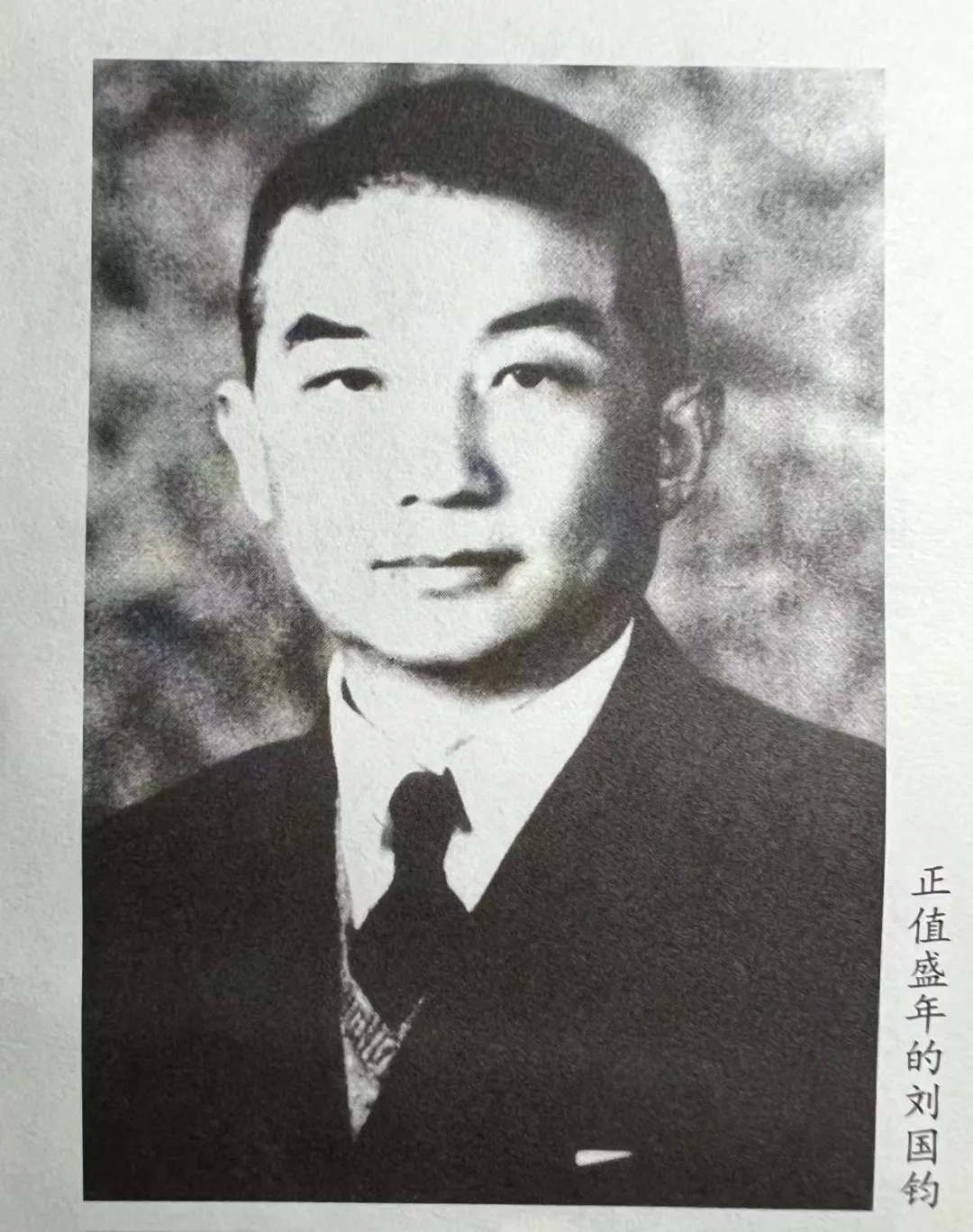
Born in 1887, Liu Guojun left home at 15 with only ten borrowed silver dollars to apprentice in Changzhou. By 1912, he was the largest merchant in Beniu Town, later founding and co-founding textile factories. He rose to become China’s foremost textile magnate, known as the “King of Changzhou Textiles.”
Despite war and turmoil, his Dacheng Company grew from 500,000 yuan in 1930 to 4 million yuan in just eight years. Except for losses in 1938 when Japanese bombing destroyed three factories, the company remained profitable through 1949 — a rare feat in industry.
Throughout his career, Liu was inspired by childhood stories of Yue Fei’s patriotism. He often visited the Yue Temple, finding strength in the general’s gaze, which became his spiritual compass.
First Reconstruction (1932)
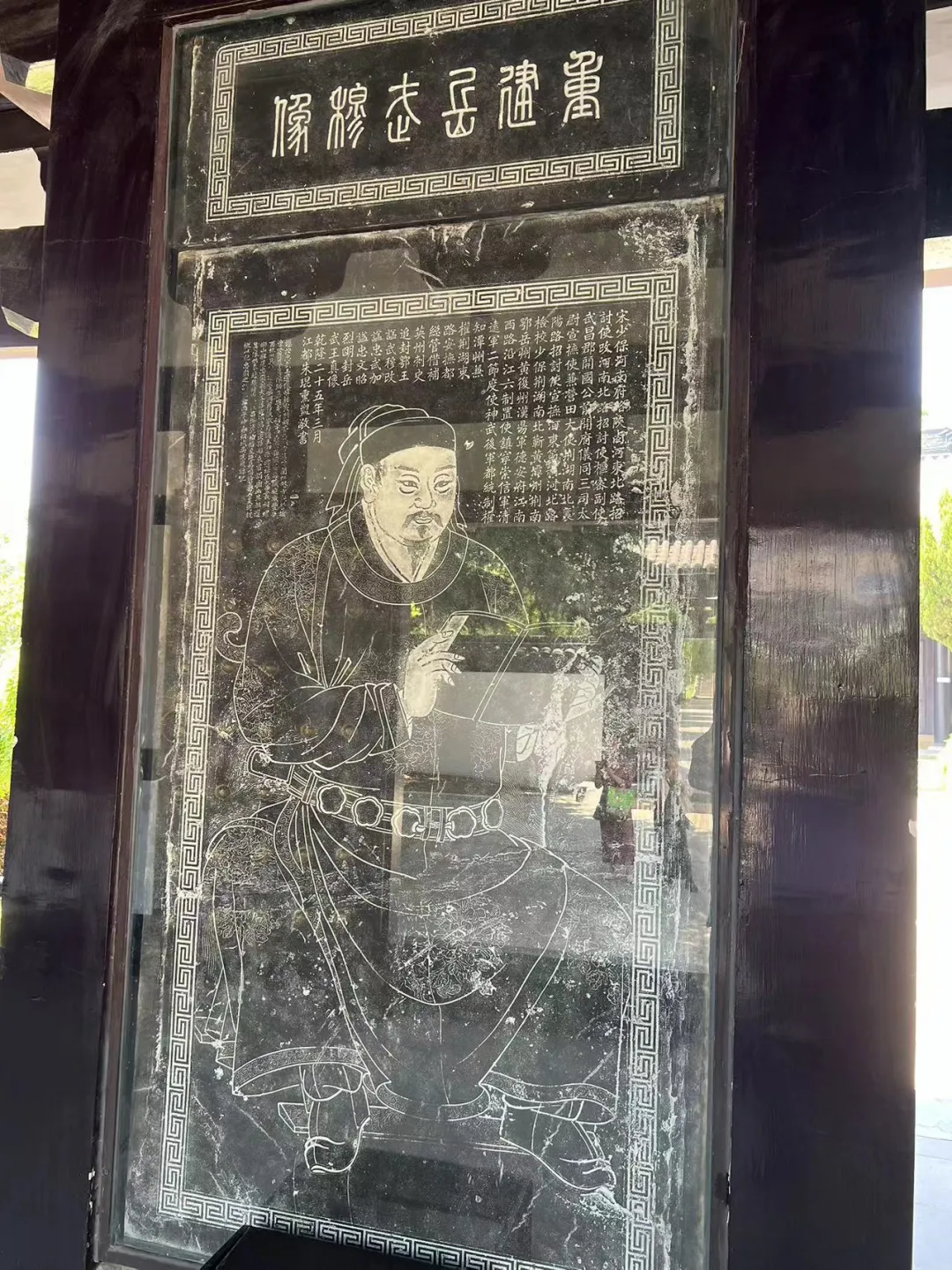
Returning home in 1932, Liu found the Yue Temple dilapidated. Heartbroken, he resolved to rebuild it. He collected Yue Fei’s calligraphy and commissioned portraits, inviting scholar Qian Mingshan to inscribe plaques and records. The restored temple flourished, reviving prosperity in Shengcitang Town.
Sadly, in 1938, Japanese forces destroyed the temple during their invasion.
Second Reconstruction (1962)
By 1962, Liu was Vice Governor of Jiangsu. Visiting his hometown, he found only ruins and weeds where the temple once stood. Overcome with grief, he knelt and wept: “Without a temple for Yue, it is Guojun’s failing.”
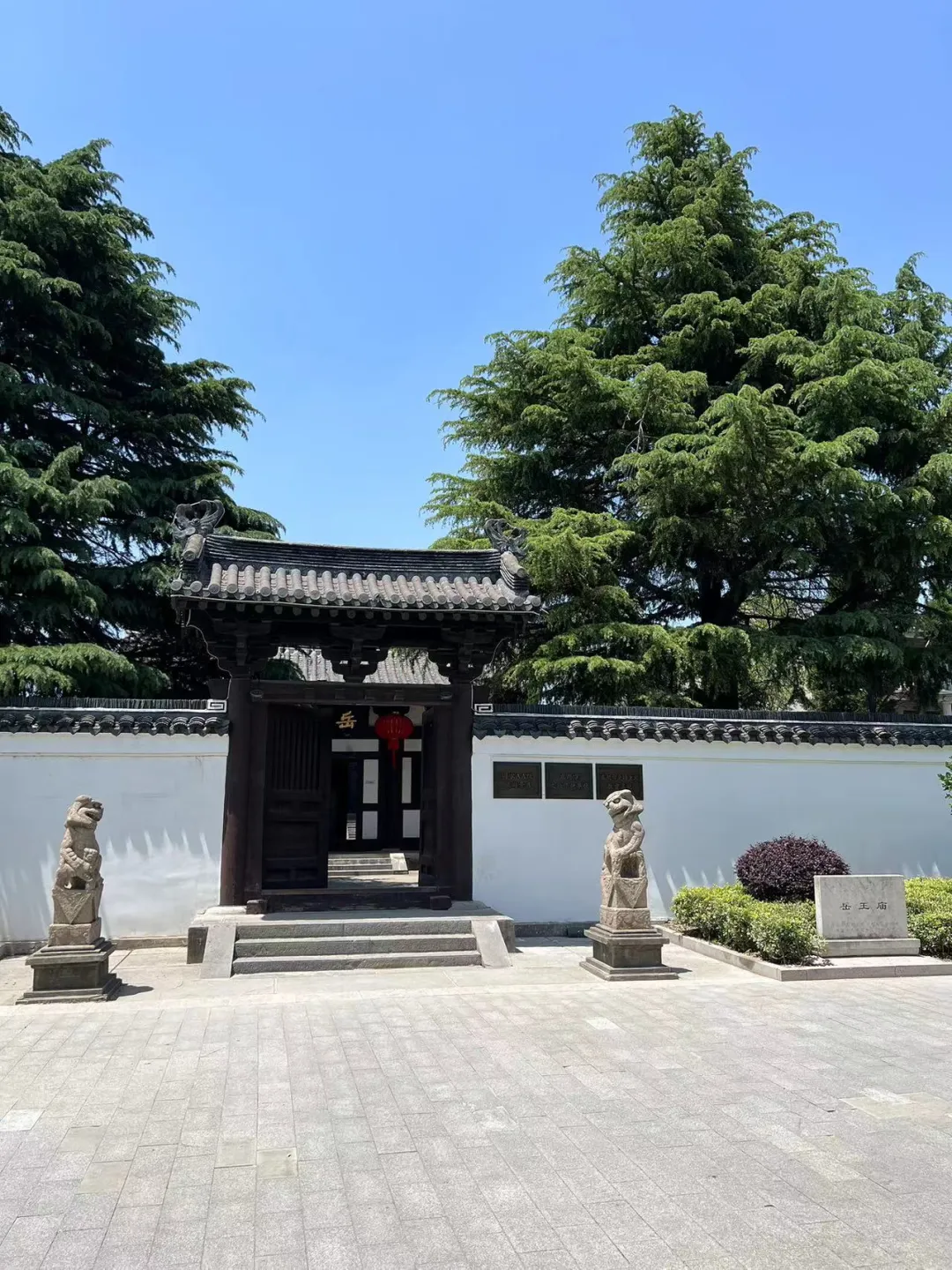
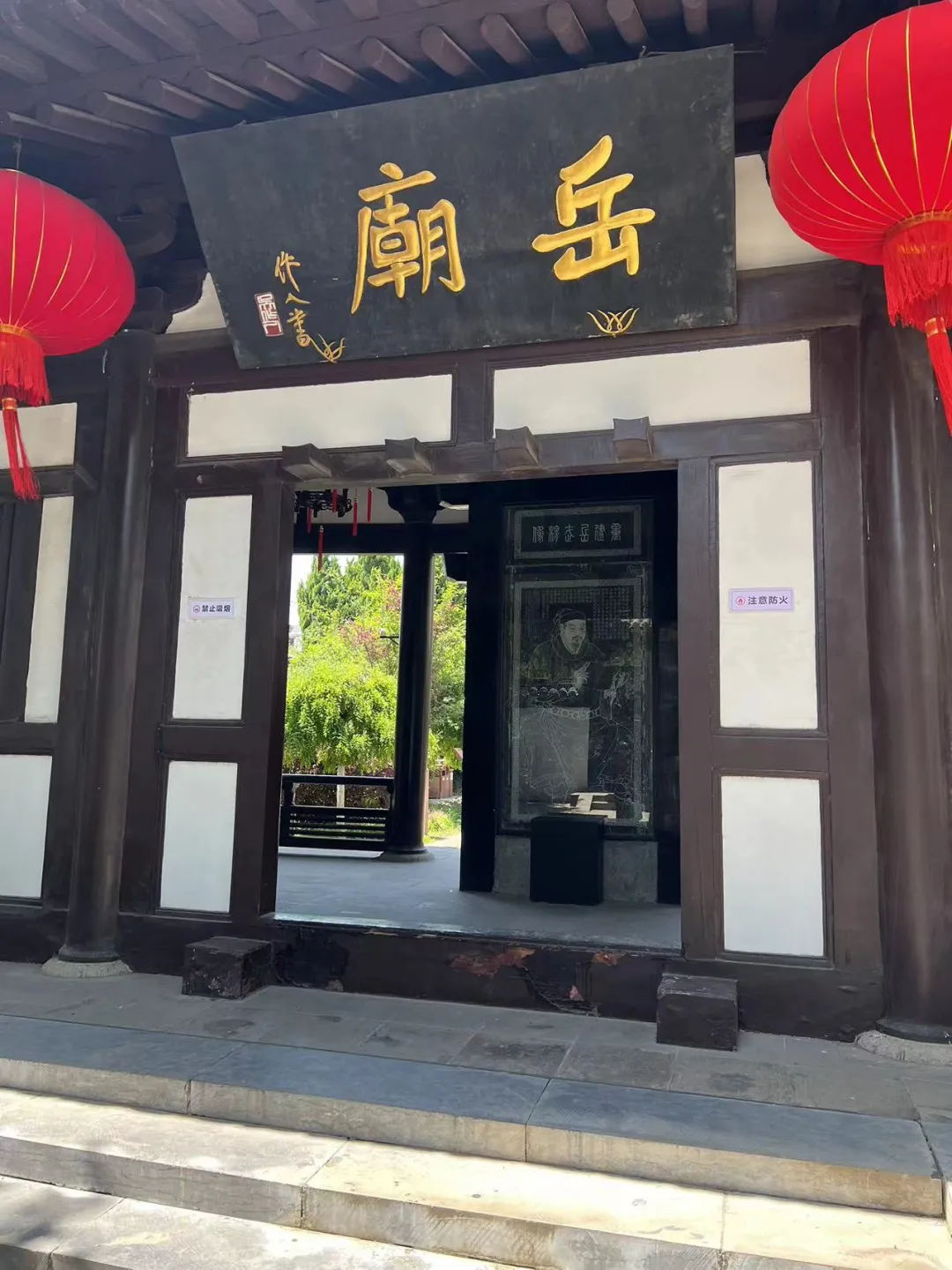
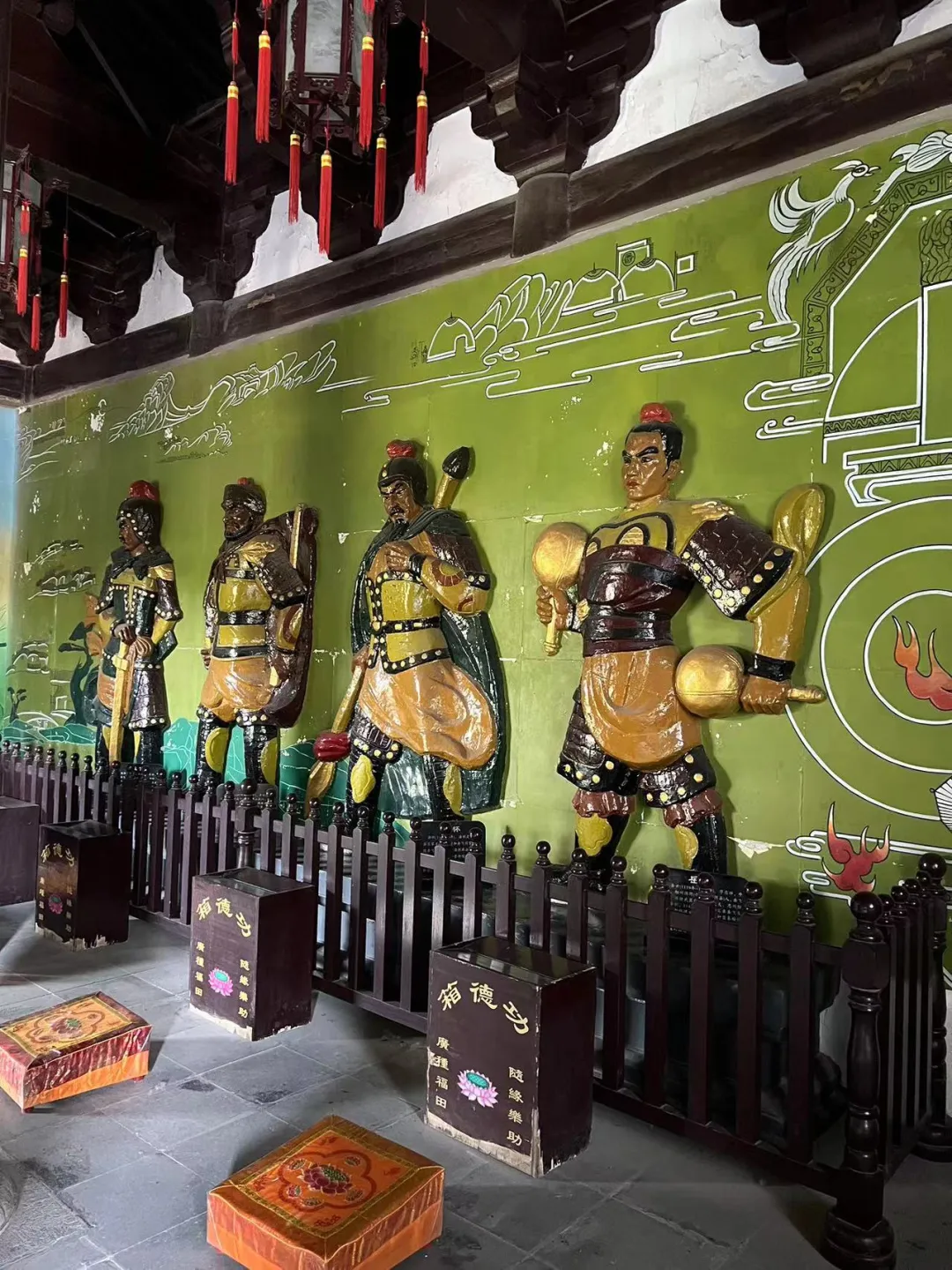
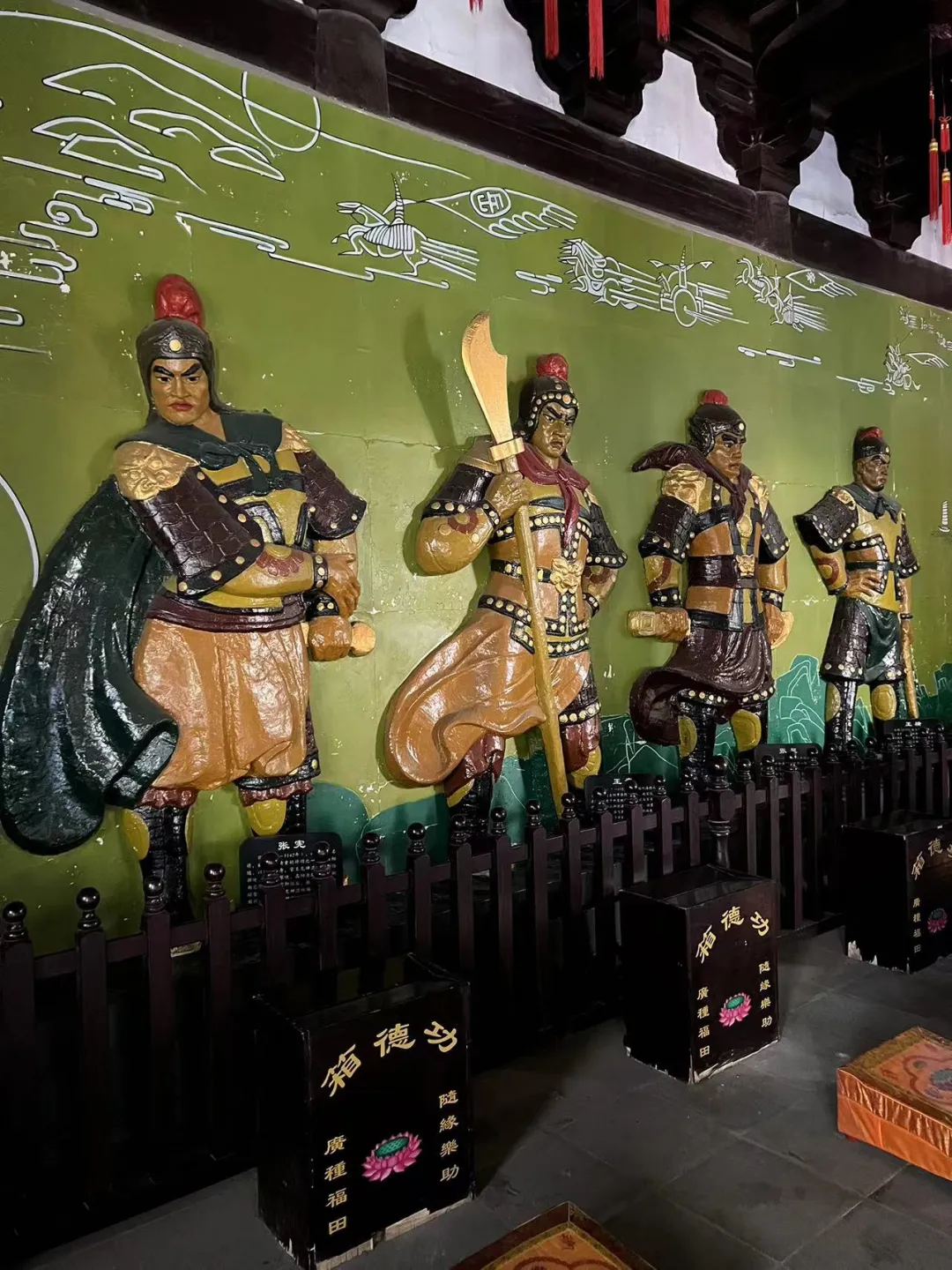
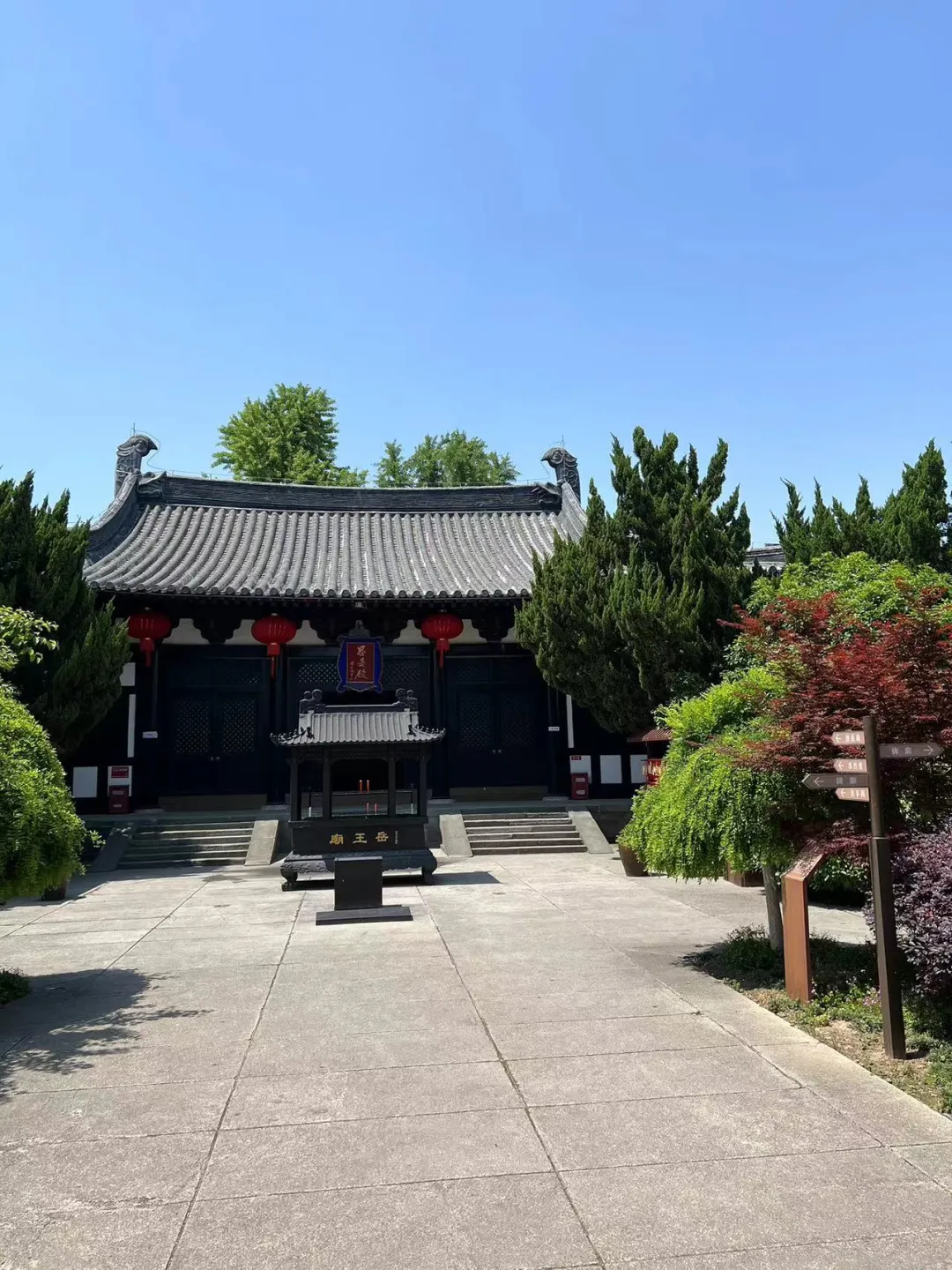
Back in Nanjing, he petitioned the provincial committee to rebuild. Approved, he organized a team and oversaw a grand reconstruction. The new temple featured two courtyards: the front hall with a stone stele of Yue Fei, and the rear hall with a shrine and porcelain statue. Above the shrine hung the bold inscription: “Restore Our Rivers and Mountains.” Two ornate pavilions were also built on the original site.
Third Reconstruction (Posthumous, 1980s)
In 1972, during Qingming, Liu and his wife returned again. What they saw devastated him: collapsed walls, weeds, missing statues, and shattered steles. The temple had been destroyed during the Cultural Revolution as part of the “Four Olds” campaign.
Liu pleaded with local officials to rebuild, but was told it was “feudal and bourgeois” and impossible. He left Jingjiang in sorrow, burdened by regret.
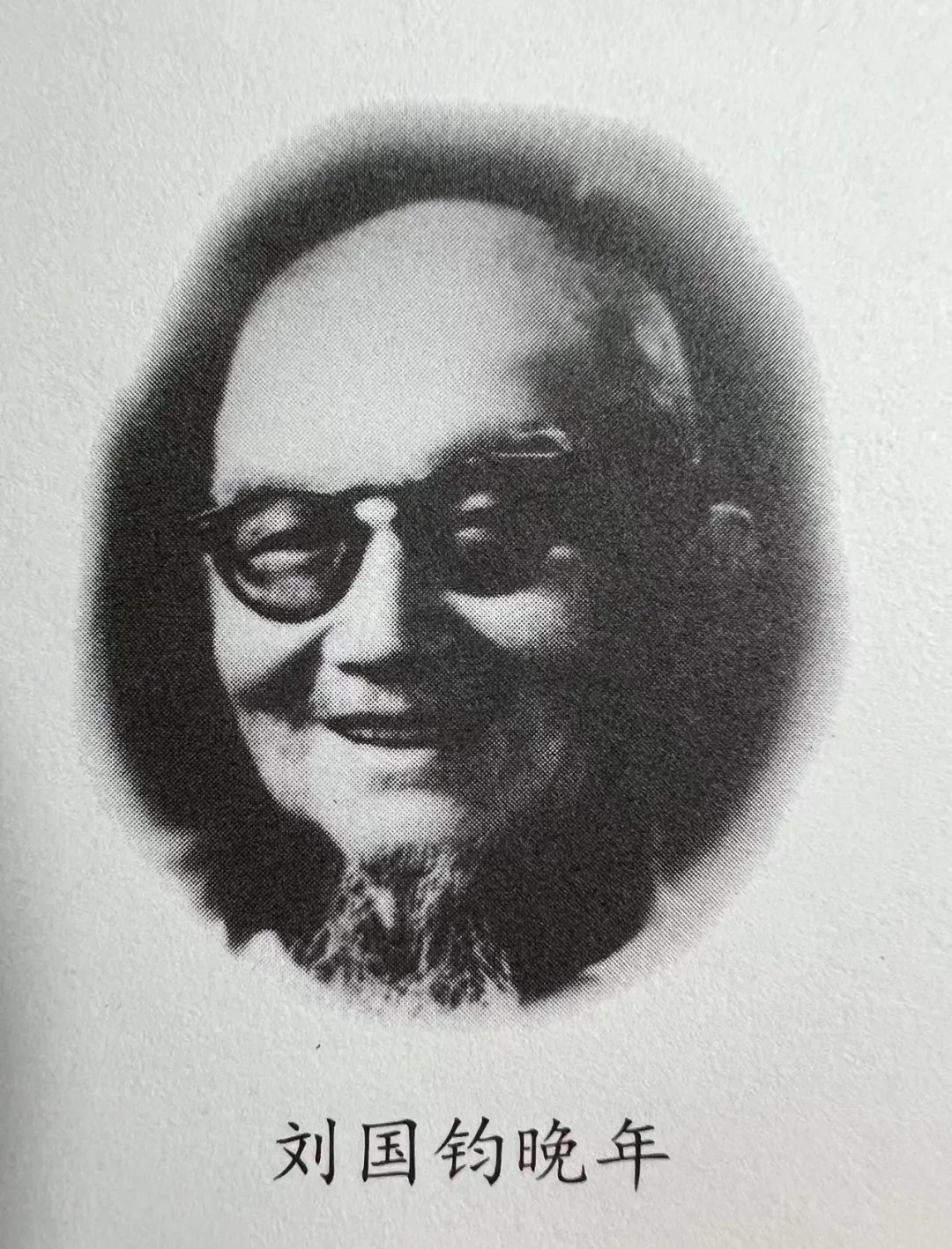
In 1978, at age 92, Liu fell and fractured his bones. Complications led to pneumonia, and on March 8, surrounded by family, he spoke his final words: “Yue Temple… rebuild.”
Years later, with reform and opening, the Jingjiang government approved his family’s request. His children and relatives donated over 2.3 million yuan to reconstruct the temple according to the 1962 design.
Legacy
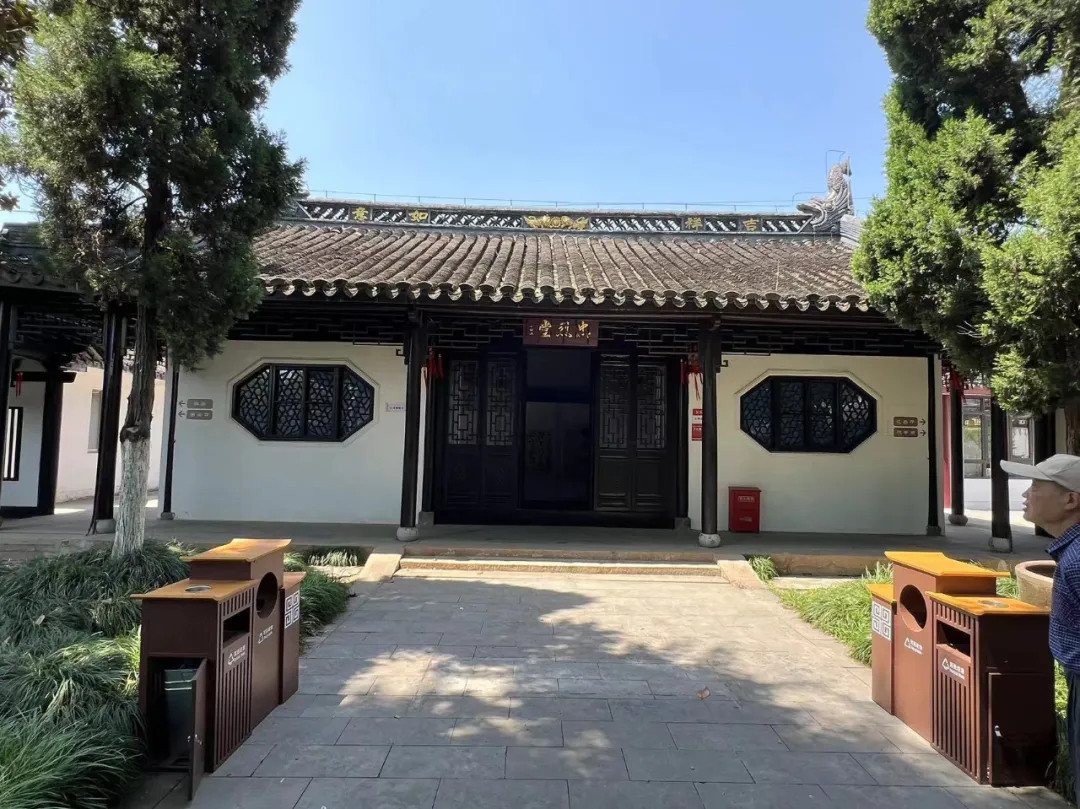
Today, the Yue Temple stands as a patriotic education base in Jingjiang, alongside Liu Guojun’s former residence and Liu Guojun Park. Together, they form a 3A‑rated tourist destination, welcoming visitors and students from across China and abroad.
Attribution & Credentials:
- Author: 范兄