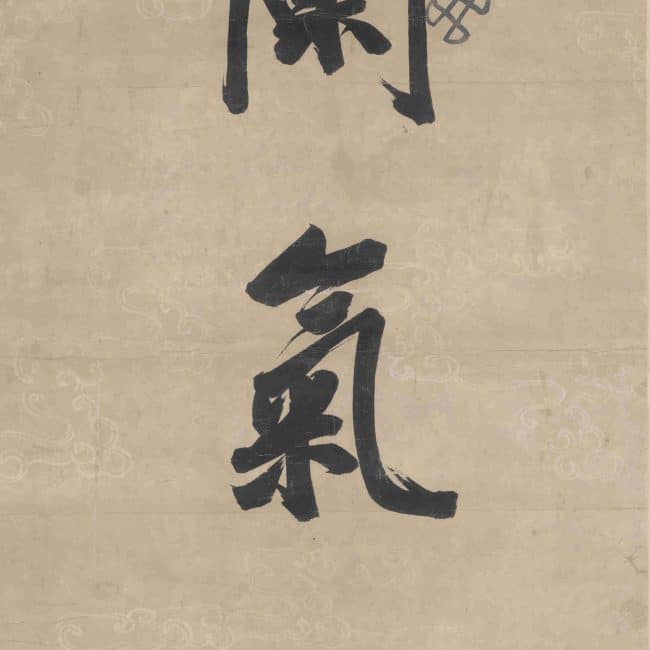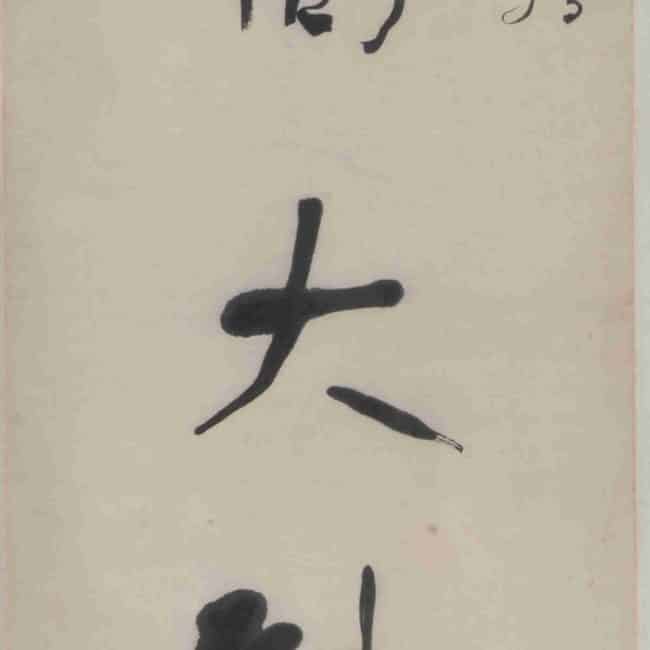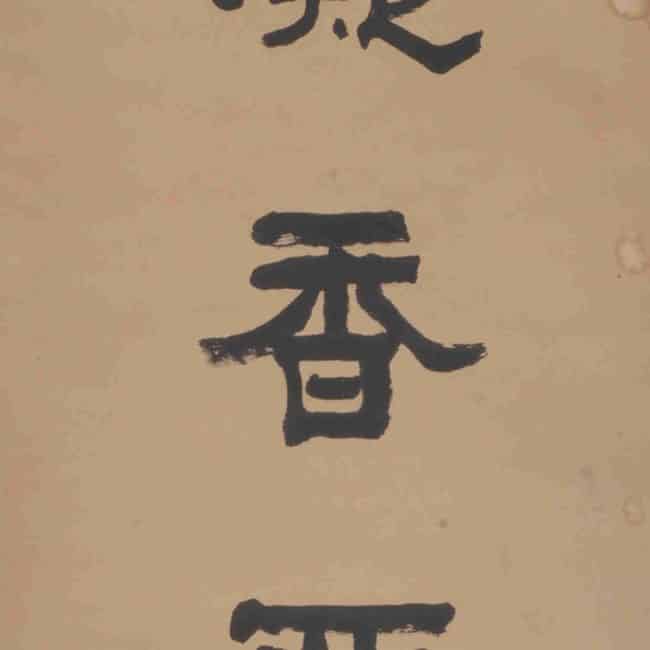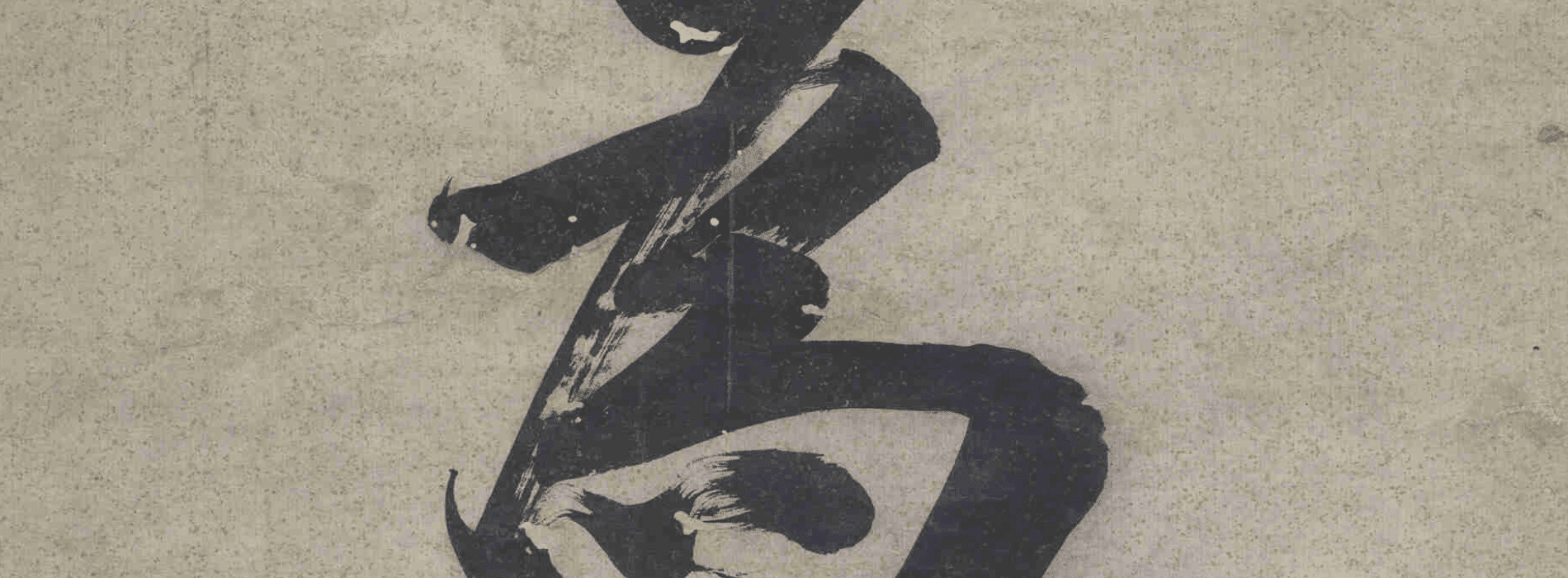
Eight Character Couplet in Running Script《行书八言联》
Lin Zexu (林则徐)
Lin Zexu (1785–1850)
Lin Zexu, courtesy name Yuanfu, also known by the names Shaomu and Shilin, and later referred to himself as Sicun Laoren, Sicun Tuisou, Qishierfeng Tuisou, Pingquan Jushi, and Lishe Sanren, was from Houguan, Fujian (now Fuzhou city). He was a politician, thinker, poet, and calligrapher during the Qing dynasty. Lin held positions such as Viceroy of Huguang, Viceroy of Shaanxi-Gansu, and Viceroy of Yunnan-Guizhou, and was appointed imperial commissioner twice. He advocated for “opening one’s eyes to the world” and “learning from foreign skills to control foreigners,” and strongly opposed the opium trade, overseeing the “Destruction of Opium at Humen,” earning him the title of national hero.
Lin Zexu’s calligraphy in regular script was primarily based on Ouyang Xun, while his running and cursive scripts followed the style of “The Preface to the Sacred Teachings” by Wang Xizhi, belonging to the traditional copybook school, known for its steadfast and elegant strength. This piece demonstrates solid brushwork with clear, deliberate strokes, creating a sense of rhythm and depth. The writing conveys a refined, mellow, and steady beauty.
Translation of couplet: “Spring’s breath is felt by poets, Nighttime sitting deepens the principles of painting.”
林则徐(1785—1850),字元抚,又字少穆、石麟,晚号俟村老人、俟村退叟、七十二峰退叟、瓶泉居士、栎社散人等,福建侯官(今福州市区)人。清朝时期的政治家、思想家诗人、书法家。曾任湖广总督、陕甘总督和云贵总督,两次受命钦差大臣。提出睁眼看世界及“师夷长技以制夷”,主张严禁鸦片,主持了“虎门销烟”,被尊为民族英雄。
林则徐书法楷书主宗欧阳询,行草以《集王羲之书圣教序》为基本路数,属于传统帖学一派,以沉着秀劲著称。此作品用笔扎实,顿挫抑扬分明,在行笔上不激不厉、平中寓奇,字里行间给人以温雅含醇、沉着坚毅的美感。
释文:春气遂为诗人所觉,夜坐能使画理自深。
Photo Gallery