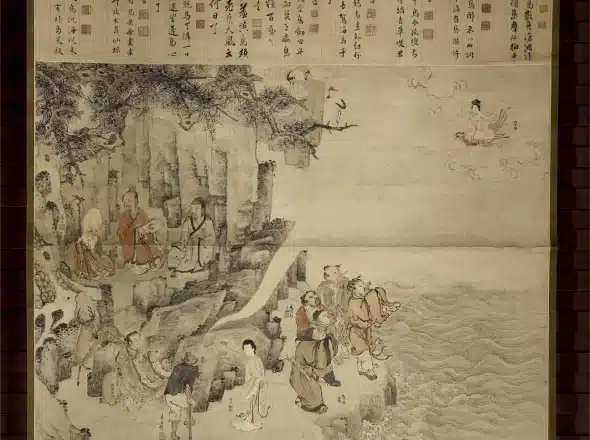
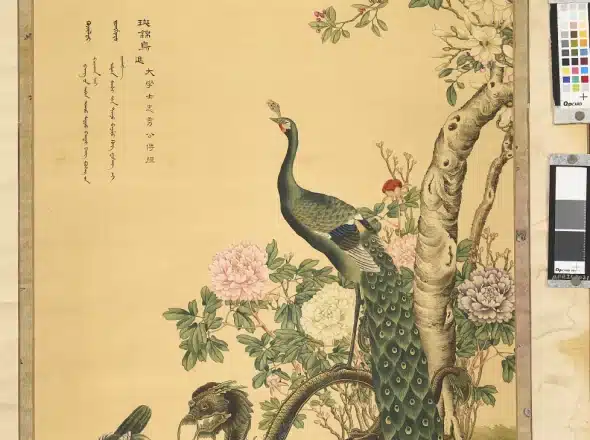
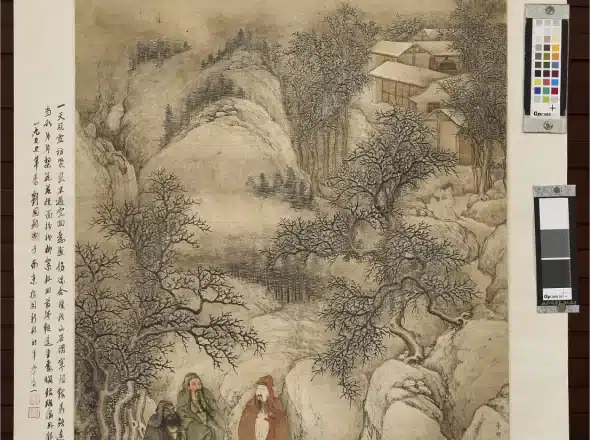
Zhu Ruining (朱瑞凝) Photo Gallery
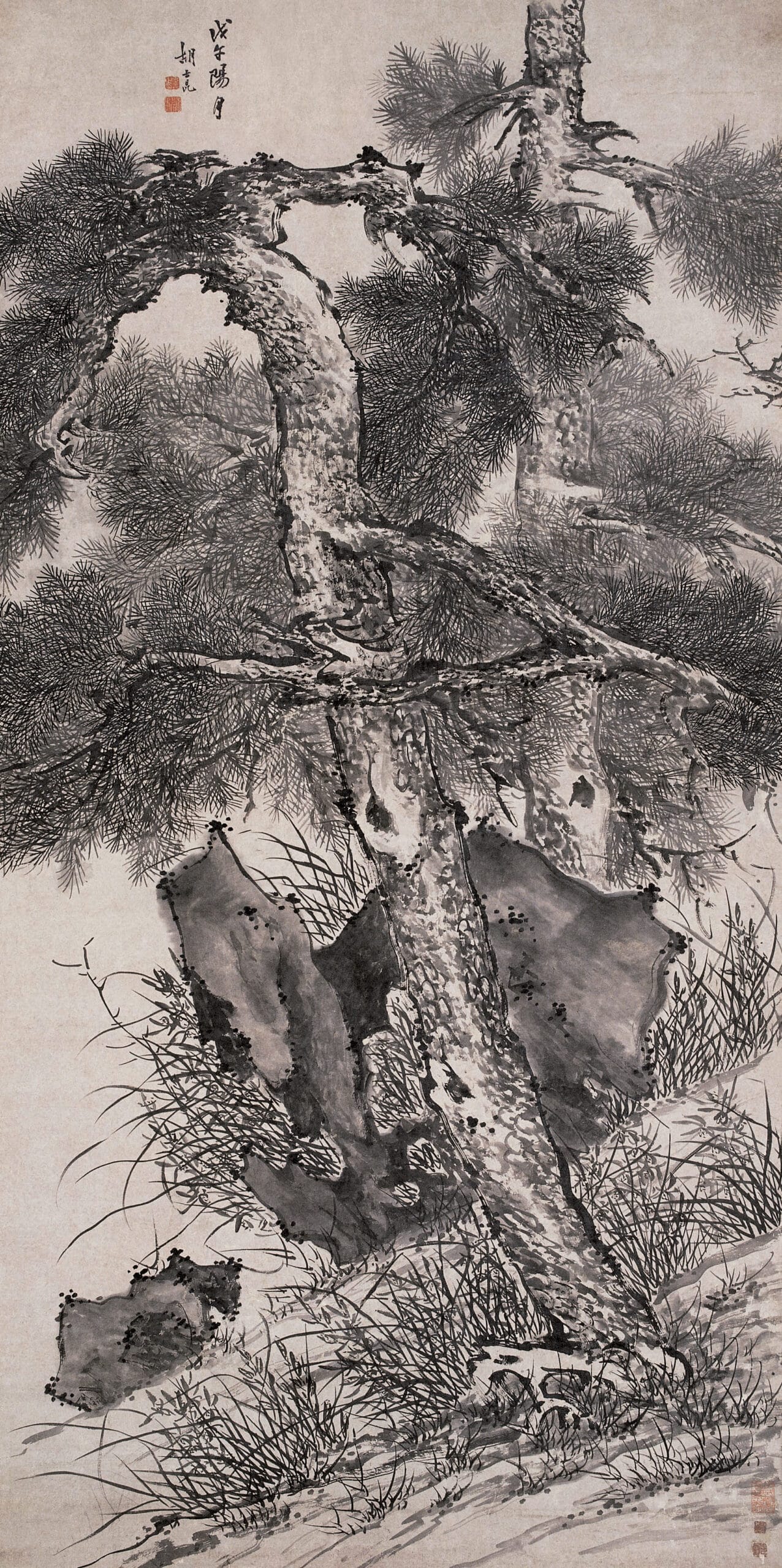
Hu Shikun, also known as Yuanqing, was a renowned painter of landscapes and orchids during the late Ming and early Qing dynasties. Although the details of his birth and death remain unknown, it is believed that he was born in Shangyuan, which is presently known as Nanjing, Jiangsu Province.
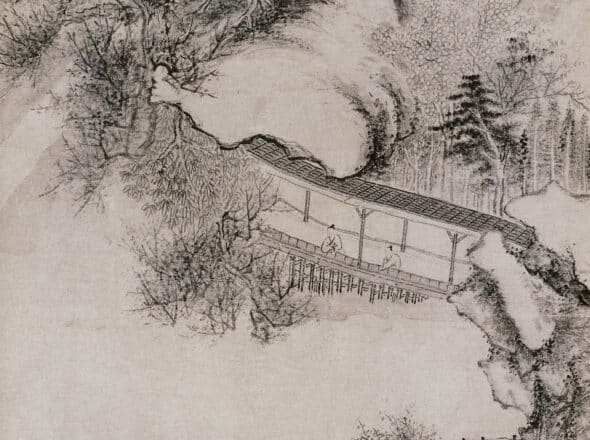
Wu Hong (1615-1680), also known as Hong, was a famous painter in the early Qing Dynasty. He was born in Jinxi, Jiangxi, and lived in Jiangning, Jiangsu, which is now known as Nanjing. Wu Hong had a passion for painting since he was a child and discovered his own unique style. In 1653, he visited Xueyuan after crossing the Yellow River, and upon his return, he had a change in his writing style, becoming more free and easy. Along with Gong Xian, Gao Cen, Fan Qi, Zou Zhe, Ye Xin, Hu Zhen, and Xie Sun, they were collectively known as the "Eight Jinling Masters". Wu Hong's painting style was the most extensive, blending and boundless, allowing one to imagine.
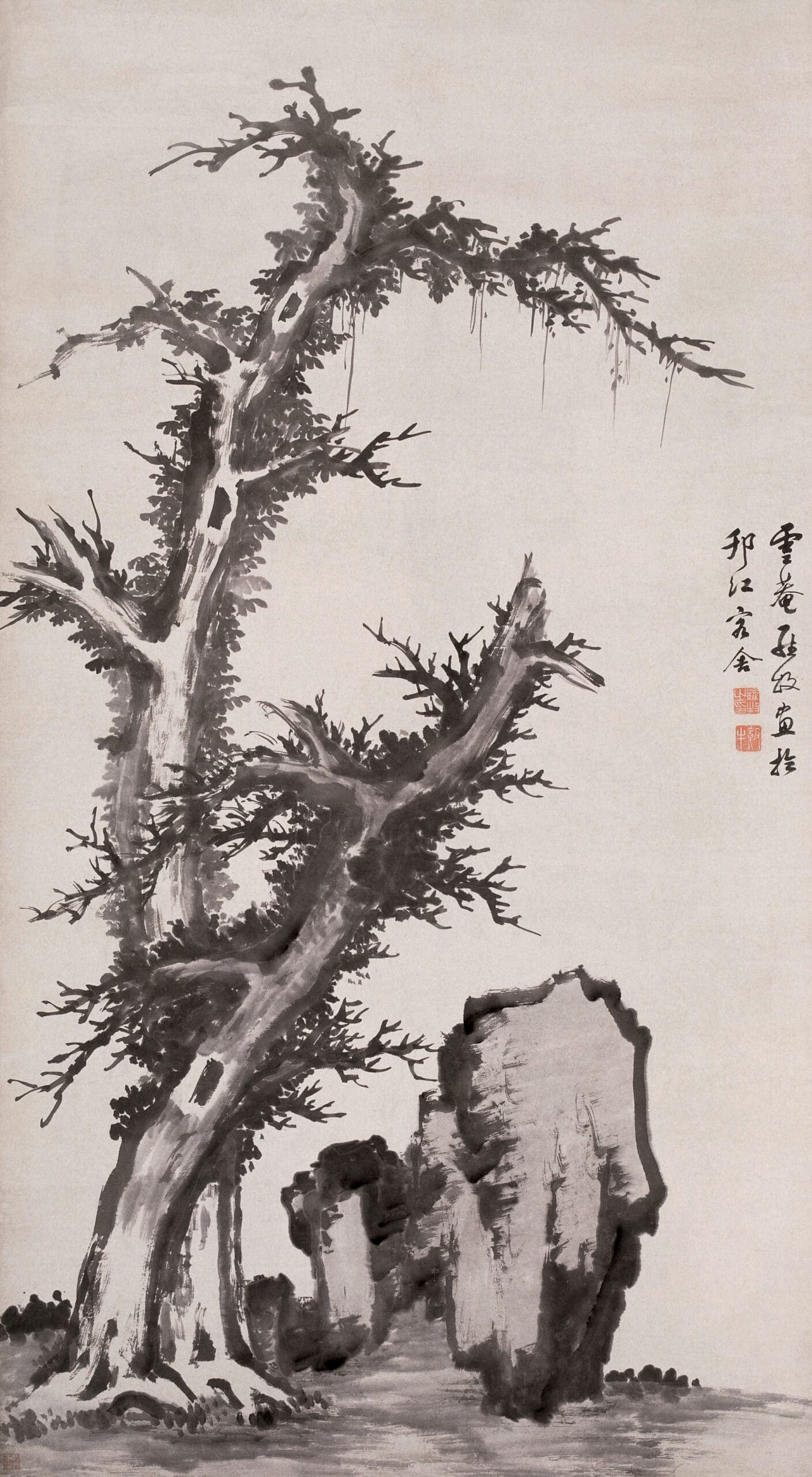
Luo Mu (1622–1706)
Also known as Fanniu, Yun’an, and Muxingzhe, Luo Mu was a celebrated painter and poet from Ningdu, Jiangxi Province. Later in life, he resided in Baihuazhou, Nanchang. Known for his kindness and literary talent, he excelled in landscapes, trees, and stones, earning recognition as the founder of the "Jiangxi School" of painting.
Luo Mu’s artistic journey began under the guidance of Wei Shichuang and drew inspiration from the styles of Huang Gongwang and Dong Qichang. However, his works also reflect significant influence from Shen Zhou, particularly in their vivid ink tonalities and dynamic charm. His distinctive brushwork, combining weight with agility, contributed to his enduring legacy in Chinese art history.
Tang Yuzhao (1602–1672)
Also known as Yuzhao, courtesy name Kongming, and pseudonym Yunke and Banyuan, was from Wujin (present-day Changzhou), Jiangsu. He was the great-grandson of the Ming Confucian scholar and military strategist Tang Shunzhi and a disciple of Sun Shenxing. After the fall of the Ming dynasty, he did not serve the Qing and retired to his hometown "Banyuan." He was an avid collector and skilled in painting and calligraphy, a pioneer of the Changzhou School of painting.
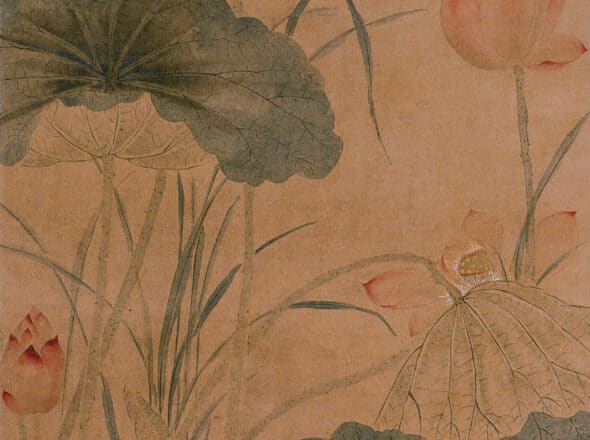
"Lotus and Egret"
This painting primarily employs the "boneless" technique, creating a delicate and ethereal composition. The lotus flowers are vividly and serenely depicted with soft colors, while an egret with a sharp gaze and detailed feathers stands gracefully beneath the leaves among the floating duckweed. Tang Yuzhao's style, although slightly less realistic than Yun Shouping's vivid realism, retains the refined elegance of the late Ming dynasty. The upper right contains a poem and inscription: "Not necessarily as fragrant as orchids, the gentleman among flowers has an especially true taste. Amidst the painting's shadows, the fragrance disperses, dedicated to the Lotus-picking Man at the Ford. Resembling Elder Ke's longevity painting, by Banyuan Tang Yuzhao of Pi Ling." Below the inscription are red seals "Shi Gong" and "Ting."
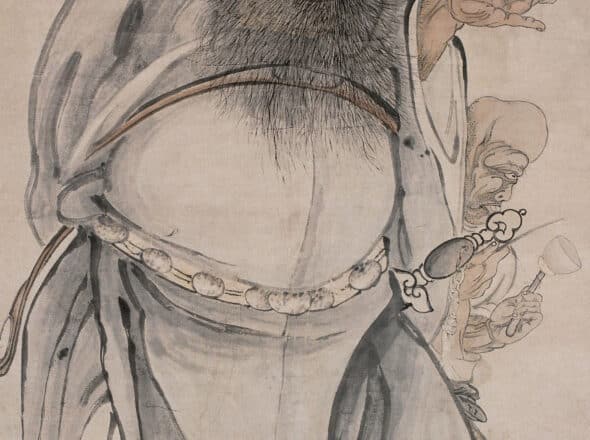
Zhang Hong (1577–1652)
Courtesy name Jundu and nickname Hejian, Zhang Hong was a prominent figure in the Wumen painting circles during the late Ming Dynasty. A native of Suzhou, Jiangsu, he was celebrated for his mastery of landscape painting, drawing inspiration from the styles of Shen Zhou and Wen Zhengming. His work traced the lineage of the Four Great Masters of the Yuan Dynasty and was influenced by earlier masters such as Mi Fu, Dong Yuan, and Ju Ran, as well as Li Cheng, Guo Xi, Li Tang, and Xia Gui. Zhang skillfully synthesized the strengths of these traditions while incorporating his own deep commitment to sketching from life.
His landscapes are characterized by steep, towering forms, with clear, moist ink washes that evoke an ancient and serene atmosphere, often depicting the grandeur of mountains and deep ravines.